Artificial Intelligence will replace people. That fear reaches anyone who does or does not follow AI news. Yet the fear misses the truth that talent outperforms technology in roles that require judgment, interpretation, and decisions that shape direction. Artificial Intelligence (AI) will not replace talent. AI does not replace purpose. AI does not replace capability. AI does not replace human decisions and is does not over talent determining quality and flow.
What is routine tasks is different than what is automation. Low-judgment work is in constant danger in every industry. This is not an AI issue.
AI will not replace talent, confusion will.
What leaders and their AI strategy confuse is a recurring theme. Let’s reviset leadership terror of Business Process Reengineering and Lean Six Sigma. No, it is not the framework that becomes the blunt instrument, but the weaponized framework from the incompetent leader.
AI Threat and Job Security
Step back and revisit the cry organizations repeat: Technology will replace people. But the real threat is not AI. The real threat is confusion about work.
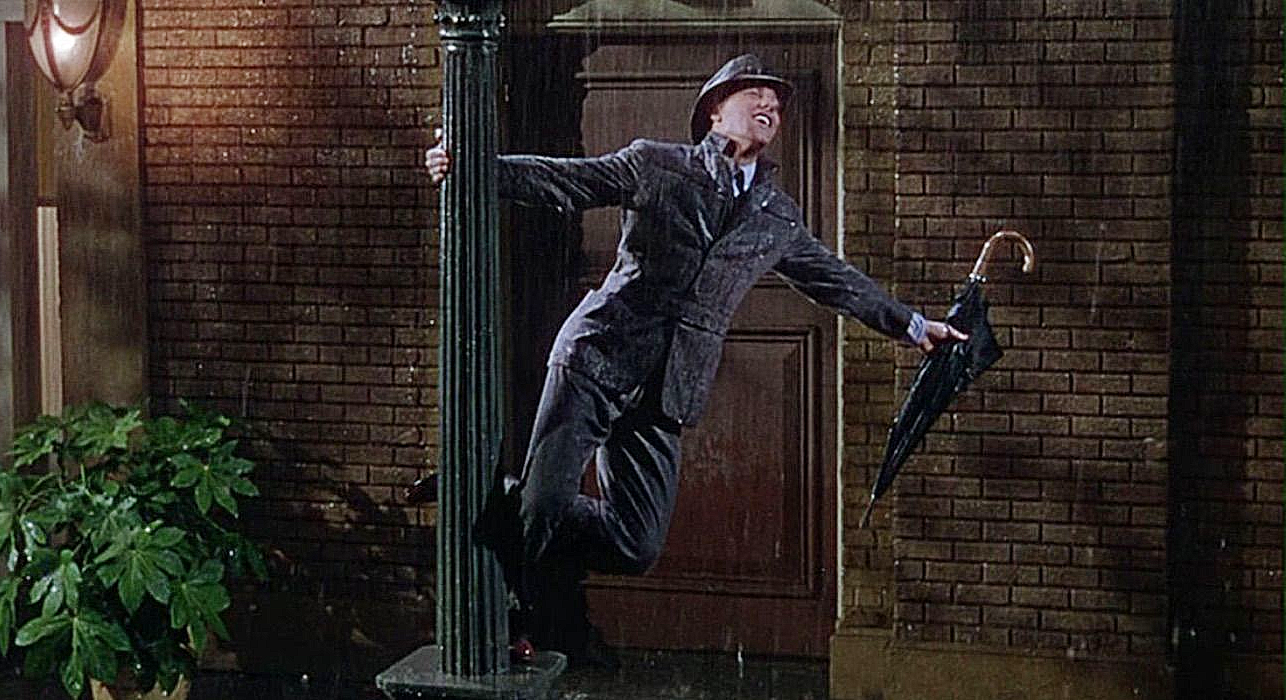
Leaders claim AI will fix talent gaps with some sort of technology upgrade. That type of thinking resembles a toddler who climbs into a cardboard box and declares space flight. Cute. Weak, though, during rainy days.
Fear rises when people cannot describe how work creates value. AI thrives on probability to estimate a word sequence: statistics . The jobs that live in that space still require a human experience as most jobs depend on choices shaped through context and emotional intelligence. Humans adapt. Humans sense nuance. Humans discover when the question is the wrong question.
The reality remains: humans are emotional, both performance and routine.
There is a difference for AI.
AI and Routine Work
Routine work follows rules. Routine work copies templates. Routine work transfers information without interpretation. That category of work sits on the edge of automation. Friends at the Organisation for Economic Co-operation and Development (OECD) report help clear up another common mistake that treats “routine work” and “automation” as the same idea. They are not.
In their report, Putting faces to the jobs at risk of automation, the OECD never uses the word “routine,” but it describes the same type of tasks in plain detail:
- These tasks follow steps,
- These tasks repeat,
- These tasks need little judgment,
- These tasks show up more often in low-skilled roles, and
- These tasks can be predicted
Those are routine tasks, even if the report never calls them that. The OECD uses a different word. The OECD calls the result “automation.” Automation is the outcome when software, robots, or AI can do those tasks instead of people.
- The nuance is critical:
- Routine tasks are the kind of work, but
- Automation is what happens to that kind of work
That difference matters, as AI threatens routine tasks and leaders confuse that with automation.
AI does not threaten purpose, capability, or judgment.
Jobs that rely on decisions, interpretation, and human insight stay safe because they require what AI cannot deliver.
The danger arrives when leaders confuse automation and routine work. But what routine work defines entire jobs categories?
AI and Human Capability
A leader invests in platforms because platforms feel certain. A leader invests less in human capability because people feel unpredictable. That mistake repeats across industries. A workflow launches. A dashboard launches. A new system launches. Metrics appear like ornaments on a holiday tree.
None of that matters when people cannot adapt.
Optimization depends on talent, not tools. Judgment determines flow. Curiosity reduces friction. Emotional intelligence prevents breakdown.
Each insight reinforces the same truth. Capability outperforms technology.
AI and Purpose in Work
Confusion destroys value. Confusion inflates cost of delay and opportunity cost. Confusion creates teams that work harder and accomplish less. Most teams know the tool. Few teams know the aim.
Purpose guides talent. Technology supports purpose. Technology never replaces it.
AI will take on, accelerate, and optimize routine work. That shift then frees attention for judgment as judgment really defines the job. Most organizations advance through the choices people make. Those decisions through agency to optimize flow.
AI does not replace those decisions. AI magnifies the damage when direction collapses.
AI and Capability Strategy
A strong organization treats talent as infrastructure. Technology supports talent. Talent defines strategy. AI plays a support role, not a leadership role.
Clarity prevents confusion. Purpose prevents drift. Capability prevents collapse.
Audit routine tasks and automate what drains energy. Elevate roles that require judgment. Create conditions where people notice cracks in the system. Those people prevent disaster. Tools do not.
The organizations that elevate talent thrive. The organizations that worship tools falter. AI intensifies both paths.
When talent skills up, an entire organization skills up. The promise of technology requires human in the loop as critical to process success.
Further Resources:
- OECD Future of Work
- The Coming Commoditization of Processes; Harvard Business Review, Thomas H. Davenport
- Critical failure factors of Lean Six Sigma: A systematic literature review; International Journal of Quality & Reliability Management, Volume 31 – Issue 9 p. 1012-1030