Technology exists to solve problems. Patterns need process to reveal opportunity. Contrast can shift when small technical adjustments alter ways of work is done.

Below you'll find a list of all posts that have been tagged as “motivation”
Technology exists to solve problems. Patterns need process to reveal opportunity. Contrast can shift when small technical adjustments alter ways of work is done.

The motivation to maintain the status quo, even when at odds to our interest, cause many to just defend the current state. This argues against originality.

September focused on Artificial Intelligence upskilling. October/November AI product engineering and vibe coding experimentation. This month offers something different: a full …

First sabbatical post with a change in location: Spain. This sabbatical offers time to reflect, upskill, and discover.

Switching costs are a hidden tax that drains project budgets and delays delivery. Each time there is a shift on focus, productivity drops, deadlines stretch, and confusion compounds. In this third post of The Cost of Confusion series, learn how multitasking, context switching, and poor prioritization erode business performance—and how to restore flow, focus, and financial impact. Discover practical ways to reduce switching costs, protect team capacity, and deliver the right work faster.

Every project has faces the frustrating, creeping inefficiency that turns a promising initiative into a chaotic, delayed mess. Too often, too …
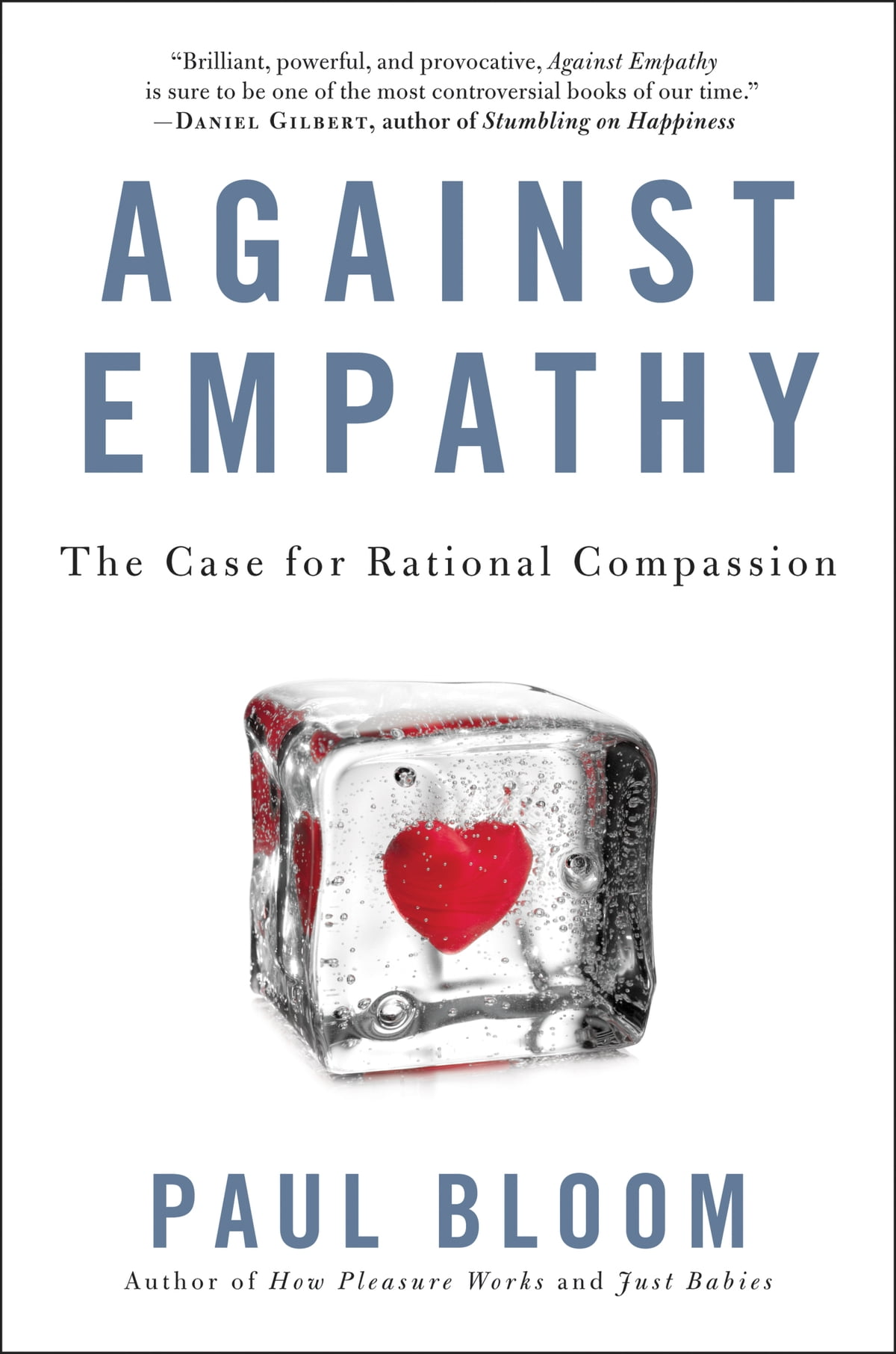
Empathy is often hailed as a virtue that enhances our moral compass, Paul Bloom asserts that it can lead to biased and harmful decisions.

This Agile icebreaker uncovers work environment change. This exercise for training and workshops takes focus away from templates and certifications, that rarely matter, and shines a light onto actual adoption.

Fast start conversation: Open-plan office space. All the rage. Well, this office space plan may cause a genuine type rage far …

Artificial Intelligence will replace people. That fear reaches anyone who does or does not follow AI news. Yet the fear misses …

Change rarely arrives as a calendar invite. It shows up as a customer complaint, a missed handoff, a contract that moves too slowly. Leaders who interview for experience hear what their people already know.

Many managers take control with the belief their technical expertise in their field is more important in their management role than the challenge to manage finite resources of people, time, and budget.
Any technical ability the manager had, as an individual contributor to meet their functional skill, is not as important as the ability to listen, to motivate, to teach, to learn.
To promote the contrary is to promote insanity.

Capability models rarely aggregate the sum of people capability. Organization capability is sabotaged by people capability, the organization capability model rarely covers the contingency of the unwilling, the unable, and the unmotivated.
Organizations are a product of social interactions, not industry feature. People decide to avoid each other or work together and that is the sum of individually-motivated competence, not organization capability.

A healthy employee is a productive employee and health and wellness programs roll out across corporate America to capture this gain.
Compensation expert Carol Harnett shares her brilliant mistake from this Human Resource Executive article and detail on the data to her assumptions that reveal flaws in health and wellness resource commitments.
Fast Start questions brilliant mistakes.

Just as an alarm stops you from a current, resting state, change management relies on communicating to people what they need to stop doing and what people need to start doing in a new, functional state. Time to stop blaming and start changing.

SharePoint intranet site design that leaves out understanding user need offers little more than propaganda for what you hope sells.
Hope for a community to buy-in is not much of a strategy.
Conversely, community commitment happens when people return to seek value, exchange value, and contribute value with, and for, each other.
Can you build that? Yes, particularly when you start with a community persona strategy to identify end-user motivations and the transparency to contribute to their need.

Social media is a wasted investment if the wrong numbers are valued over the right ratios. Social media is not a sales promo blitzkrieg, social media is an engagement strategy.
Culture is the way things are done. Getting something done in a culture is understanding what the culture values and how to navigate.
A relationship built on a transaction is a relationship built on perceived value; sales or otherwise. A relationship built for a sale is a relationship that starts with the end game and that end game is more transparent to the mark than you realize.
Social media strategy provides proof of involvement and the real tolerance an organization has to listen to a diverse community of voices and harness the contrarians.

The habit of deficit-based thinking gets us into spiral of what is wrong. When we look, with our hammer, for things to fix then every interaction and process, all those nails, look right for a good hammering.
There is an alternative switch into the art of planning possibility.