The 70:20:10 framework helps to plan learning and development. 70:20:10 represents a good model, percentage, or ratio to frame how people across …

Below you'll find a list of all posts that have been tagged as “organization development”
The 70:20:10 framework helps to plan learning and development. 70:20:10 represents a good model, percentage, or ratio to frame how people across …

What is organization development? Yes organization development: It is almost more confusing than helpful to really say what organization development is. …

Insight into corporate, social media strategy lends insight into governance. Insight into social media management lends insight into employee management.
A company marketing strategy and the people who lead, develop, and execute that marketing strategy, are a proxy for organization culture.
If web 1.0 brought about the concept content is king, the maturity to a web 2.0 and social media environment are achieved through the concept community is king. You can you develop a community unless you are a transparent part of a community.

If your company and my company recruit the same person and your company can not motivate that person, but my company can keep that person motivated: I win.
I’ll take an employee with half the technical skills who is motivated, over an employee with more technical skills who is unmotivated. We maximize resources to survive and motivation management is resources management.
If your company and my company need a series of projects to roll out a new strategic plan and your company can not deliver on those projects, but my company can: I win.

An organization’s present is built upon their collected history. This history is an essential core of their organization’s being. The past set the present capabilities. Rattling an organization’s history is rattling the foundation stones of an organization’s culture.
A highlight into what people do wrong attracts attention to … what people do wrong. No one likes association to something broken. No one likes it pointed out they work within, are part of, or manage broken processes.
An intervention should not open an inquisition for blame and shame, but an inquiry into the possibility of what can be.
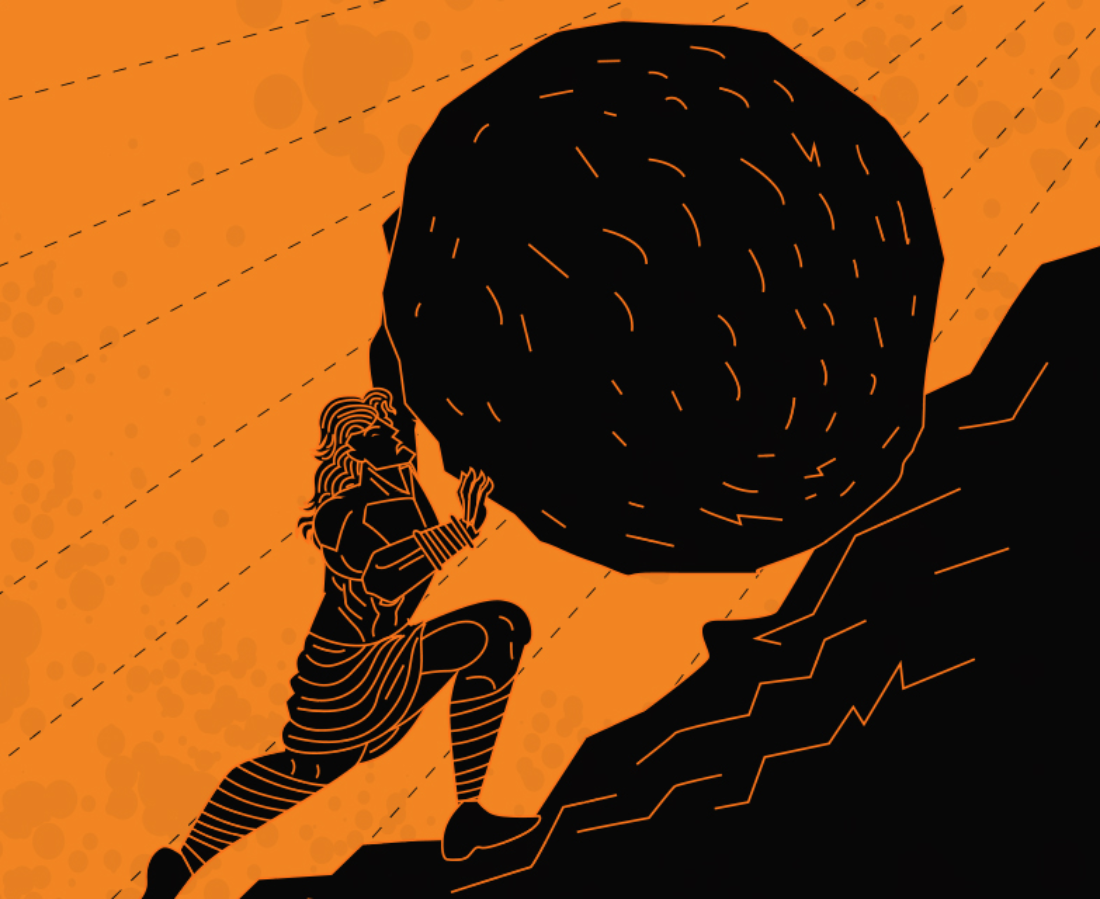
A leader’s job is to not create a space that causes so much pain that people must move, but to create a compelling future vision people are drawn to.
If leadership starts their focus on what did not work or what you do not want to happen then effort goes into putting procedures in place that constrain. If leadership focus starts on what worked or what it looks like when it worked and the focus shifts to how it worked to and what is achievable, what is possible.
Appreciative Inquiry, as a principle for design and change management, allows organizations to change the focus. Where we inquire, we move and Appreciative Inquiry changes the change.

Today’s drive for continual innovation, as taught or written or sought or crowd sourced, has a lot to do with early …

Your small business does not have the culture to succeed as a big business.
Initial ad hoc procedures may prove to drive those early revenues and perhaps the same procedures can manage a firm’s expansion to 30 employees, 75 employees, or 100 employees.
As the growth of a firm increases the amount of interactions and the dynamics of each interaction become more important. Repeatability, scalability, and human capital strategies are vital to have in place before growth.
With a Competing Values Framework your current culture and future culture present present your roadmap for intentional growth.

Many private equity and venture capital firms claim to rely on the quality of a team to determine funding. But rarely …

Until knowledge, skills, and abilities are both individual and team success, the organization intervention seems less an option than a core competence.
We need to intervene before we lose even more of your organization’s ability and desire to achieve both individual, team, and organization goals.
We should revisit what has become the noise surrounding essential knowledge, ability, skills, and competencies organizations need from people ready to lead.

We make models to get an idea, on a small-scale, of what might happen on a large-scale. Models help identify risk and …

Today in Human Resource Executive Online I eagerly read a post titled Is Business a Foreign Language for HR? (sadly, no …

Whether strategic or tactical, mandated or self-initiated, change happens in organizations with or without warning.
Organizations are, quite simply, made up of social interactions: groups of people.
People are the heart of organization change.

Organization development has yet to earn a role in all organizations. Only the most progressive companies have organization development roles, staffs, departments, …

Social media is the most important communication and collaboration tool since the smoke signal.
The organization development world has been invaded by social media. The organization development profession is in a, social media, world of trouble because social media delivers all the intended qualities of OD, but more organic, more genuine, and more impressive community results than OD has ever been accepted to do.
When evaluating social media, it is time to move beyond fight, flight, or friend.

An impact analysis is an early-phase assessment to identify all stakeholders, their needs, their awareness, and their insight into the project – these people are not only sponsors and customers, but the people you want to invite people into the change. Involvement impacts success.
Just like a pebble tossed into a pond, projects cause ripples that carry beyond the initial splash. Projects sponsors who fail to link the change a project has to people, process, and technology risk project success and project adoption.
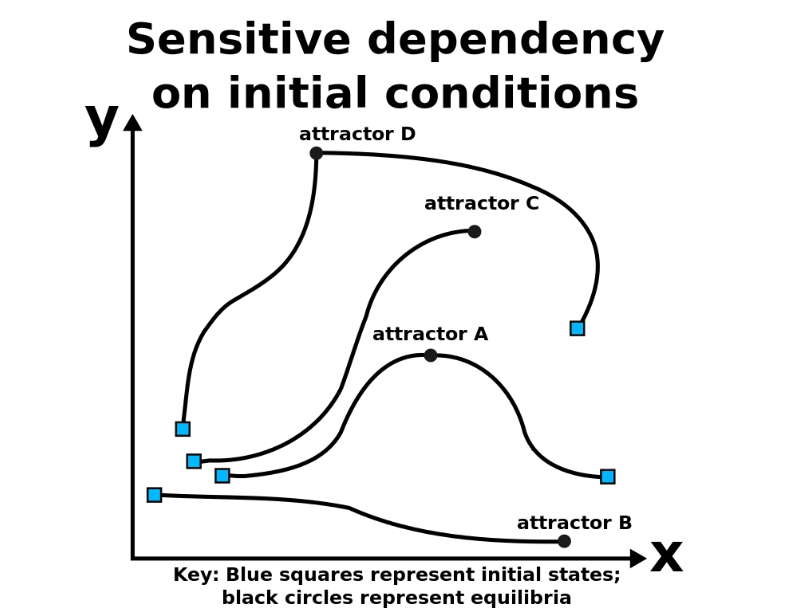
To run a team, manage a group, or lead an organization means you line people up yell, “ready, steady, go” and we folk hum along without need, guidance, motivation, communication, or care for anyone but the organization.
The reason a professional might call for an organization intervention comes from the feeling of organization sabotage.
Something is wrong.
Someones needs help.
We need to intervene.

The key for organizations to grow and to thrive relies they ability to scope, manage, and deliver projects. How you and your …