October 2010 in review. A roundup of blogs from the previous month: Scope or: how to manage projects for organization success; …
Below you'll find a list of all posts that have been tagged as “risk”
October 2010 in review. A roundup of blogs from the previous month: Scope or: how to manage projects for organization success; …

Mergers and acquisitions failures are really business strategy project management failures
No matter the motive for a merger or acquisition the real work comes with integration.
Similar to a project scope statement that identifies the success criteria for a project, the only way to identify success or failure is within the scope of the M&A goals.
Subsequently, the risk in mergers and acquisitions comes down to the ability of a team to deliver within budget, by a certain time, and up to project expectation (scope) and project failure rates for M&A deals are strikingly high.

Systems thinking strategies for mergers and acquisitions (M&A) provide better integration valuations and post-merger operations. With mergers and acquisitions systems thinking the …

When evaluating merger integration risk the reality is true integration risk identification can only happen with an evaluation of systems integration. Without front-end, due diligence on human capital integration then too often the deal becomes a post-merger write-off. The result: wasted opportunity, multiples on paper only, and “synergies” left back on the deal table or with the executive hand-shake.

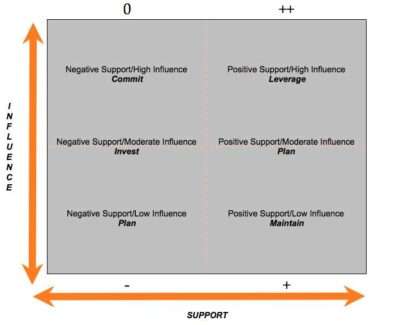
A stakeholder is anyone, or group, who can positively or negatively affect the outcome of the project. This post introduces two Excel template worksheets for stakeholder identification and management.
Prior to a project’s go-ahead this template identifies groups and individuals with a stake in the success, and failure. The effort makes sure we understand the key concerns and motivations of these audiences in order to mitigate risk to over-look or under-appreciate stakeholder position.
October 2010 in review. A roundup of blogs from the previous month: Mergers and acquisitions systems thinking strategies, part 1 — …

Organization change is the key to innovation. So, no change, no innovation. Or is it no innovation, no change? Well, change …
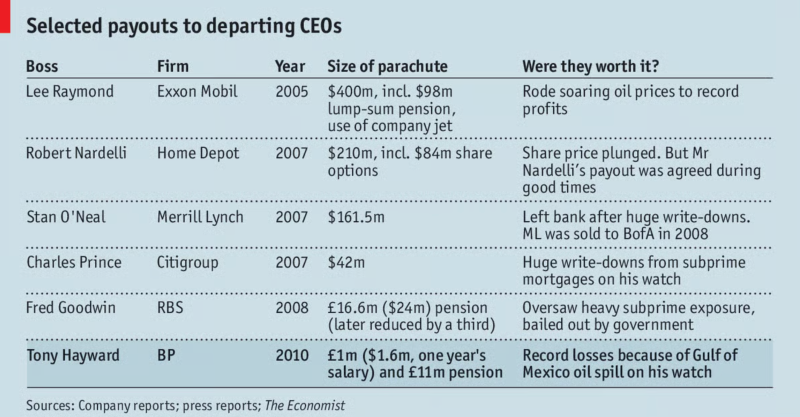
September 2010 in review. A roundup of blogs from the previous month: Golden parachutes reward risk or moral hazard? — No …

Models attempt to identify the assets that have value. How to manage those assets. And how to strategically turn these assets …

Bureaucracy is important to manage risk. Max Weber (1864 – 1920) German sociologist, political scientist, and economist was an admirer of …

The July 31st Economist wrote an article called The wages of failure and brought an interesting perspective to those CEOs dismissed …
August 2010 in review. A roundup of blogs from the previous month: A key to why so many companies blow it in …

Many private equity and venture capital firms claim to rely on the quality of a team to determine funding. But rarely …

We make models to get an idea, on a small-scale, of what might happen on a large-scale. Models help identify risk and …

Whether strategic or tactical, mandated or self-initiated, change happens in organizations with or without warning.
Organizations are, quite simply, made up of social interactions: groups of people.
People are the heart of organization change.
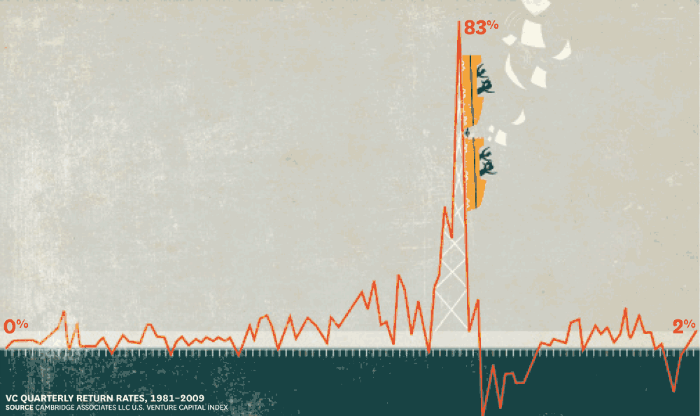
The bigger the risk, the bigger the reward. Elemental finance: you assume the amount of risk suitable for an expected payoff. …

An impact analysis is an early-phase assessment to identify all stakeholders, their needs, their awareness, and their insight into the project – these people are not only sponsors and customers, but the people you want to invite people into the change. Involvement impacts success.
Just like a pebble tossed into a pond, projects cause ripples that carry beyond the initial splash. Projects sponsors who fail to link the change a project has to people, process, and technology risk project success and project adoption.
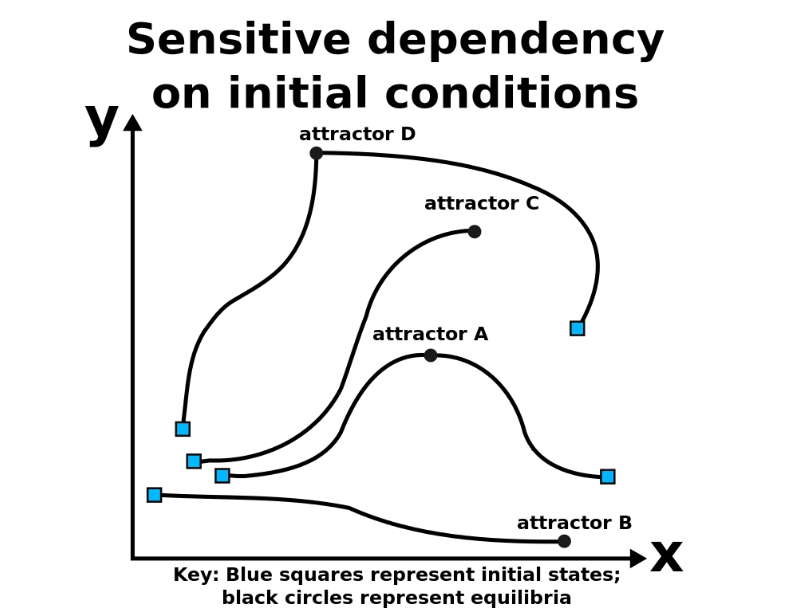
To run a team, manage a group, or lead an organization means you line people up yell, “ready, steady, go” and we folk hum along without need, guidance, motivation, communication, or care for anyone but the organization.
The reason a professional might call for an organization intervention comes from the feeling of organization sabotage.
Something is wrong.
Someones needs help.
We need to intervene.