Conway’s Law holds systems reflect structures of the organizations that build them. AI systems simply make that reflection louder, faster, and harder to ignore.

Below you'll find a list of all posts that have been tagged as “technology”
Conway’s Law holds systems reflect structures of the organizations that build them. AI systems simply make that reflection louder, faster, and harder to ignore.

Why are we hitting a peak of AI interest these past few years? One thought: people notice noise before they notice …
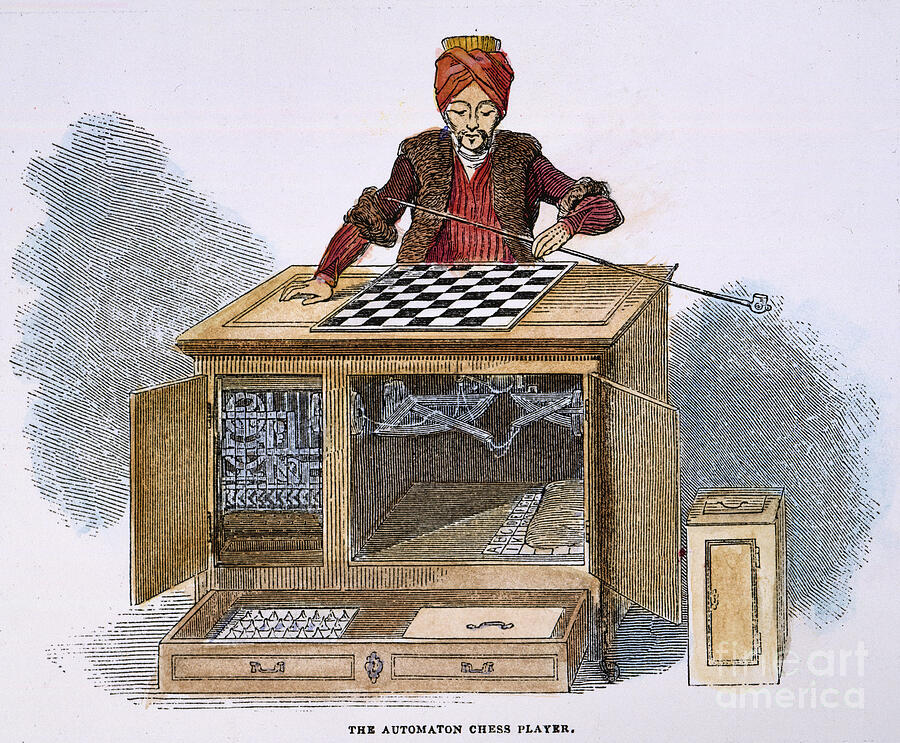
Artificial Intelligence is ~70 years old. 20 years ago The Economist wrote about AI. In 2010 Wired wrote about AI in …
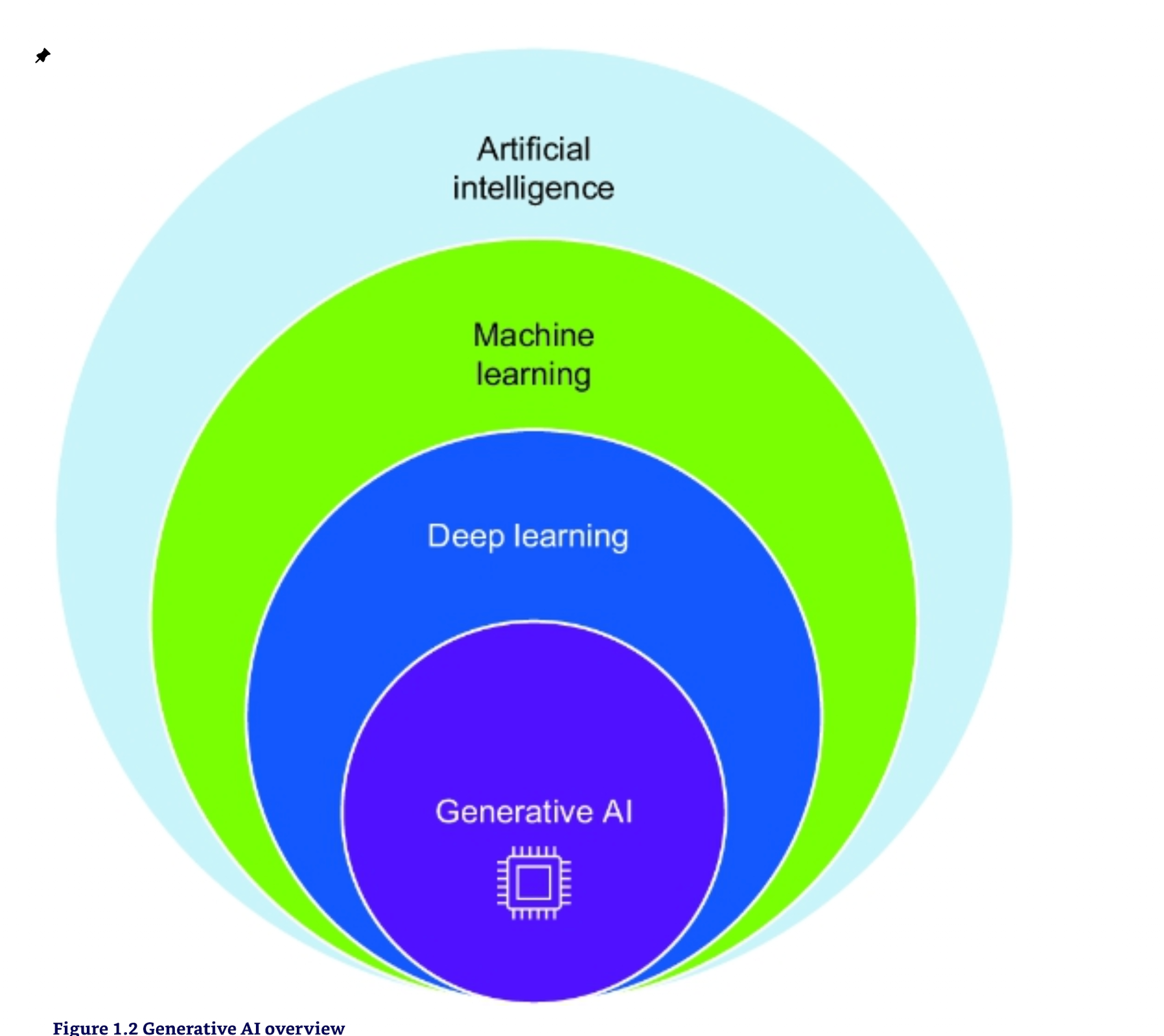
Predictive systems learn from patterns. Generative systems create new options. Generative AI expands value over reducing cost.

Rodrigo’s Concierto Andaluz is a wonderful piece of Baroque influence and Andalusian warmth composed around four guitars and an orchestra. In …

A company does not rely on a single, overarching governance model. Instead, several governance structures are tailored to different company functions, …

Unlike traditional integration methods that focus primarily on technology, AI and Data Fabric solutions take a holistic approach to integrate people, data, and process. Employees can access real-time data without waiting for systems to sync, driving more agile business operations.
Now the total cost of integration drops dramatically and that leaves your organization free to reinvest those savings into growth initiatives. This approach empowers your team to take charge of the post-merger process without being weighed down by outdated systems.

Mergers fail up to 90 % of the time because integration collapses under complexity. Artificial Intelligence changes that math. From due diligence to culture alignment, AI tools enable seamless insight across systems, data, and people. The result: faster integration, fewer blind spots, and measurable returns that redefine what success looks like in M&A.

The playbook for post-merger profit begins with streamlined operations: rationalization. The investment plan will merge the target company and merge multiple …

The artificial intelligence (AI) promise automates not just what we do, but how we think. Efficiency targets to write emails, to approve loans, to diagnose illness, and to manage calendars. The future seems more intelligent.
The first thing AI will expose is how much of corporate life never required human intelligence to begin with. Much of what passes for “knowledge work” is rule-following and repetition wrapped in PowerPoint. When AI takes that over, many will call it disruption. I call it honesty.

Machine learning has replaced “big data” as the corporate buzzword du jour. Beyond hype, machine learning can automate predictions, detect fraud, and personalize experiences. But when organizations rush to adopt without understanding what they teach their machines, they risk automating bad decisions at scale. Machine learning reflects the culture behind its data: disciplined thinking leads to smarter outcomes, while bias and bureaucracy only accelerate confusion. The real differentiator is not who has the smartest machine—but who still has people capable of asking why.

Change management goes beyond features and functions. Feature and function change management is product change management.
Change management goes beyond scope or requirements. Scope and requirement change management is project change management.
The change that change management needs is an account for how process and technology change the way people meet their objectives.

SharePoint provides organizations and all who work within them to take knowledge from someone’s hard drive and to a shared forum that …

Constant change relies on constant sharing and I have found Microsoft’s SharePoint application, a powerful enterprise, change management tool.
SharePoint provides multiple ways to build a portal where your organization can not only see latest announcements but participates in discussions and contribute to shared learning. more flexible than formal training and more widely available.
In the last 12 months SharePoint, has radically altered the way I design any change management effort I roll out. Good intranet design with change management efforts to link communication change principles, provide a host of change management options.

SharePoint intranet site design that leaves out understanding user need offers little more than propaganda for what you hope sells.
Hope for a community to buy-in is not much of a strategy.
Conversely, community commitment happens when people return to seek value, exchange value, and contribute value with, and for, each other.
Can you build that? Yes, particularly when you start with a community persona strategy to identify end-user motivations and the transparency to contribute to their need.

Fast Start conversation: Policies, procedures, forms, transactions, compliance and administrative oversight. Sound like your human resources (HR) department? Many of those …

OK, Information Technology, you win. You can have it. You’ve ruined it beyond recognition anyway. Only left me a shell of a …

Fast Start conversation: A 3-year decline in sales from $14.5 billion to $2 billion found the music industry band together to …