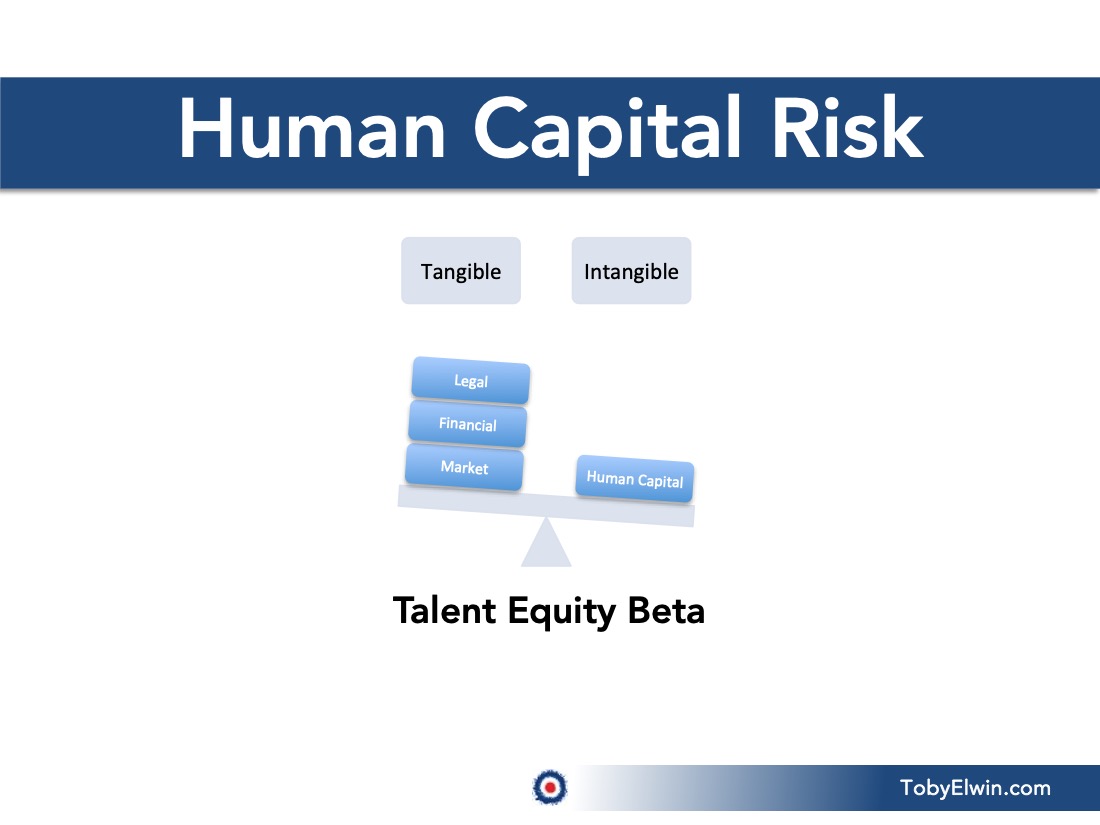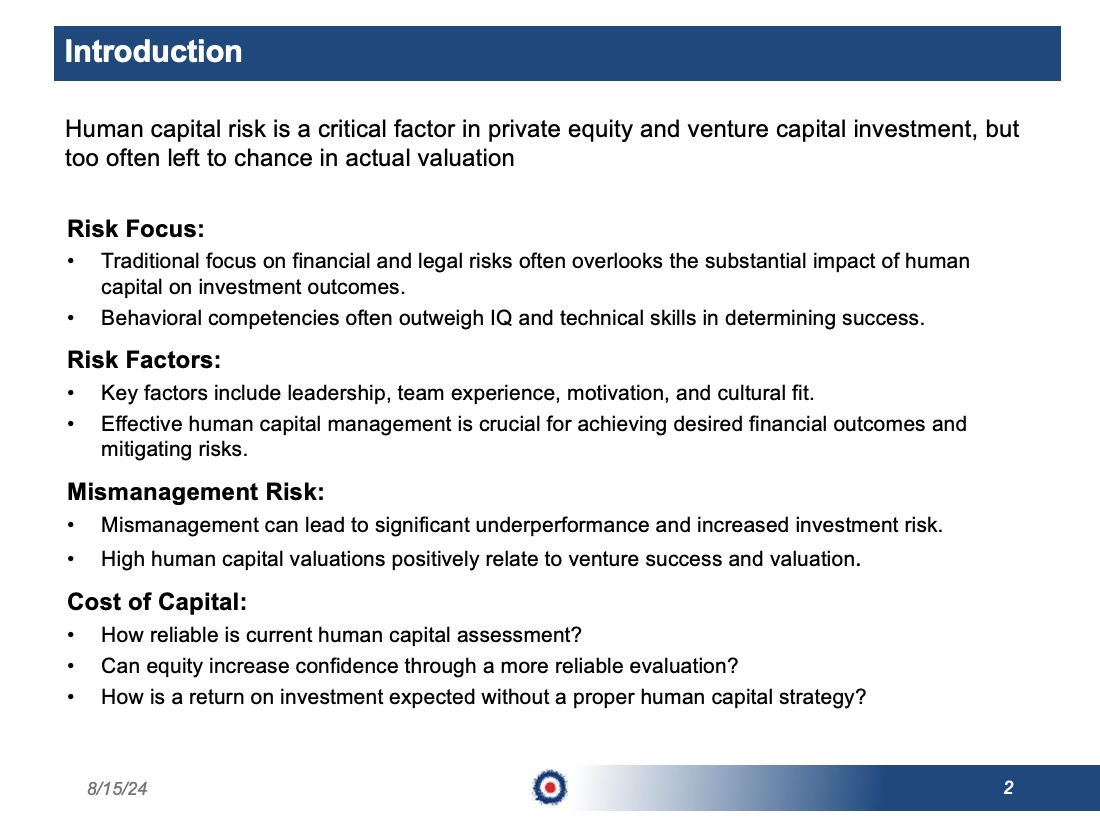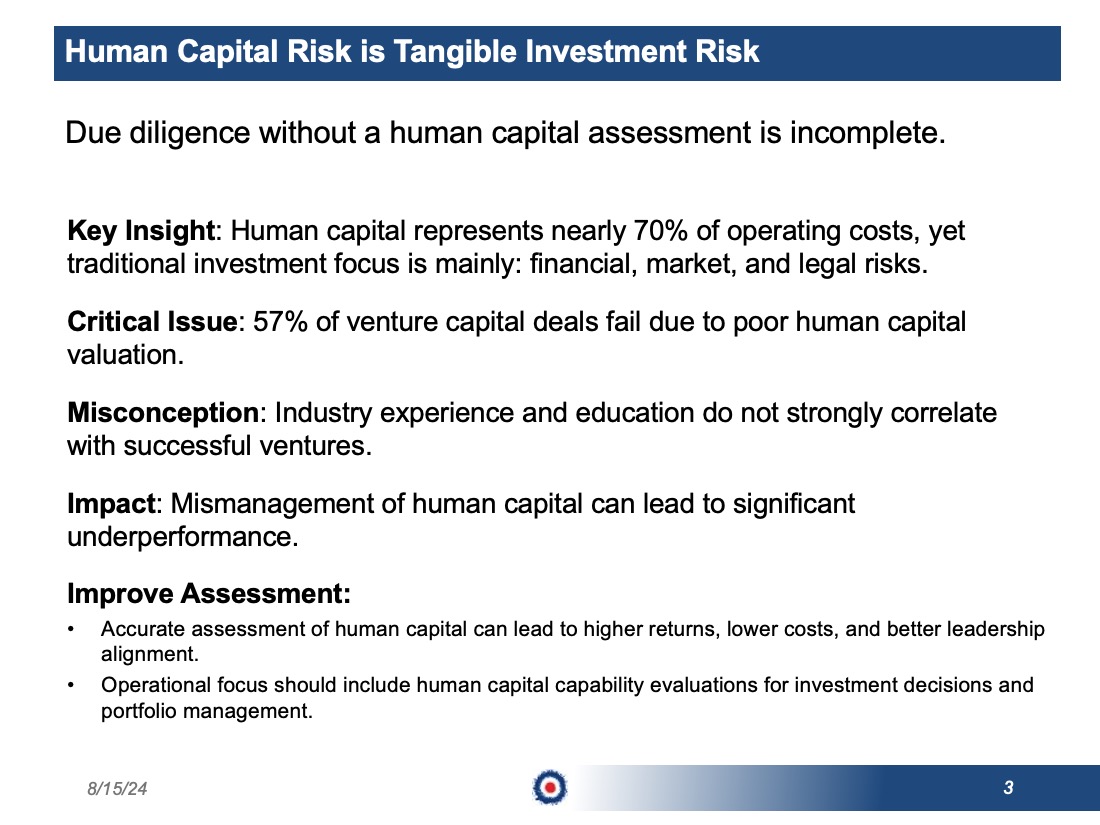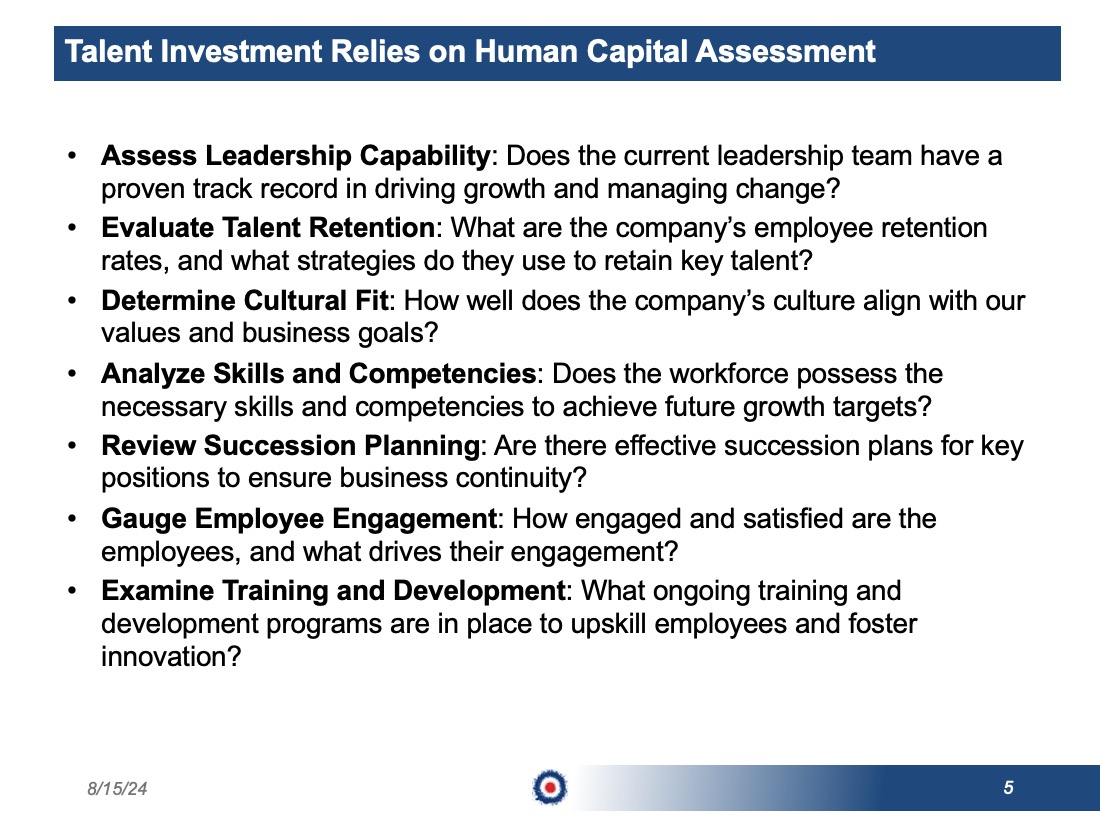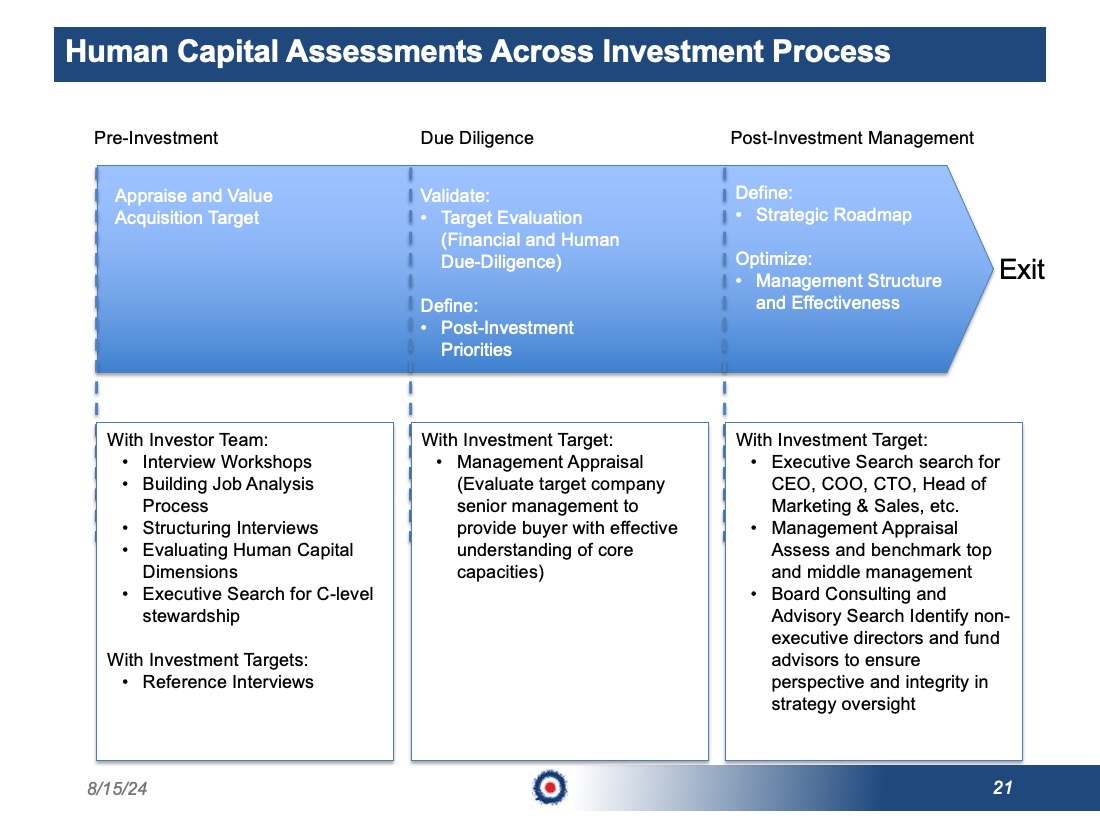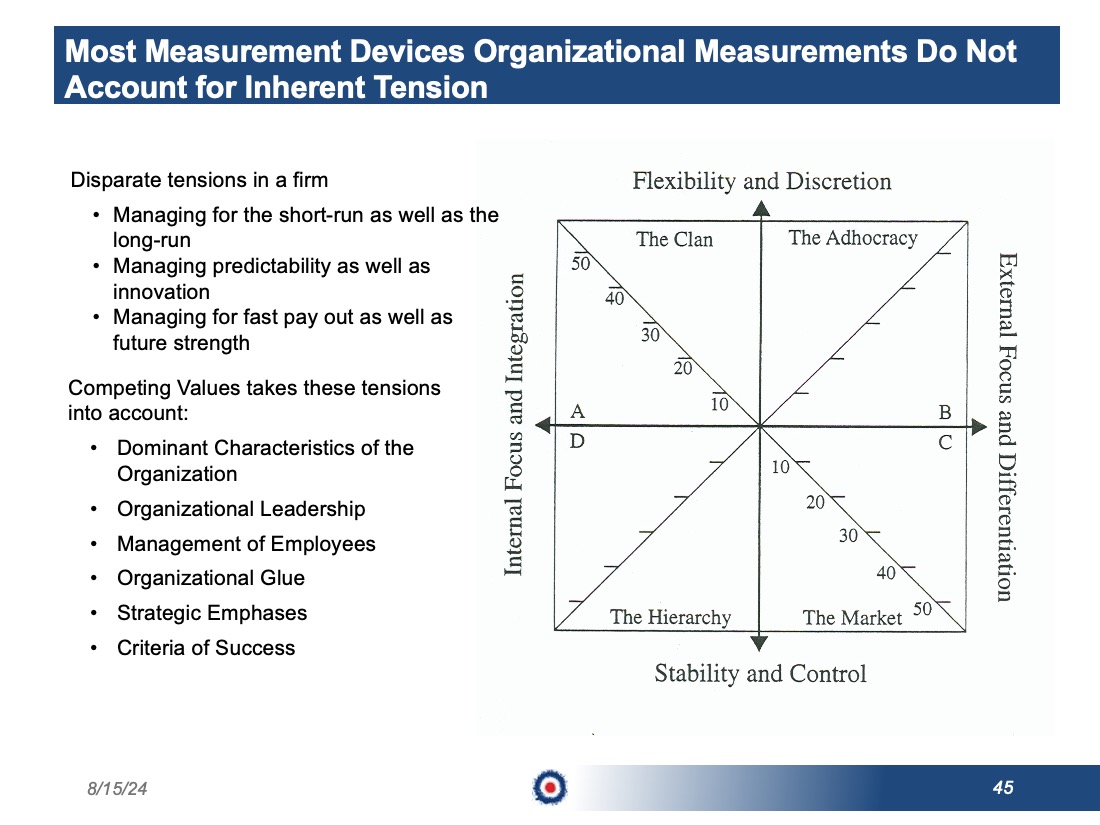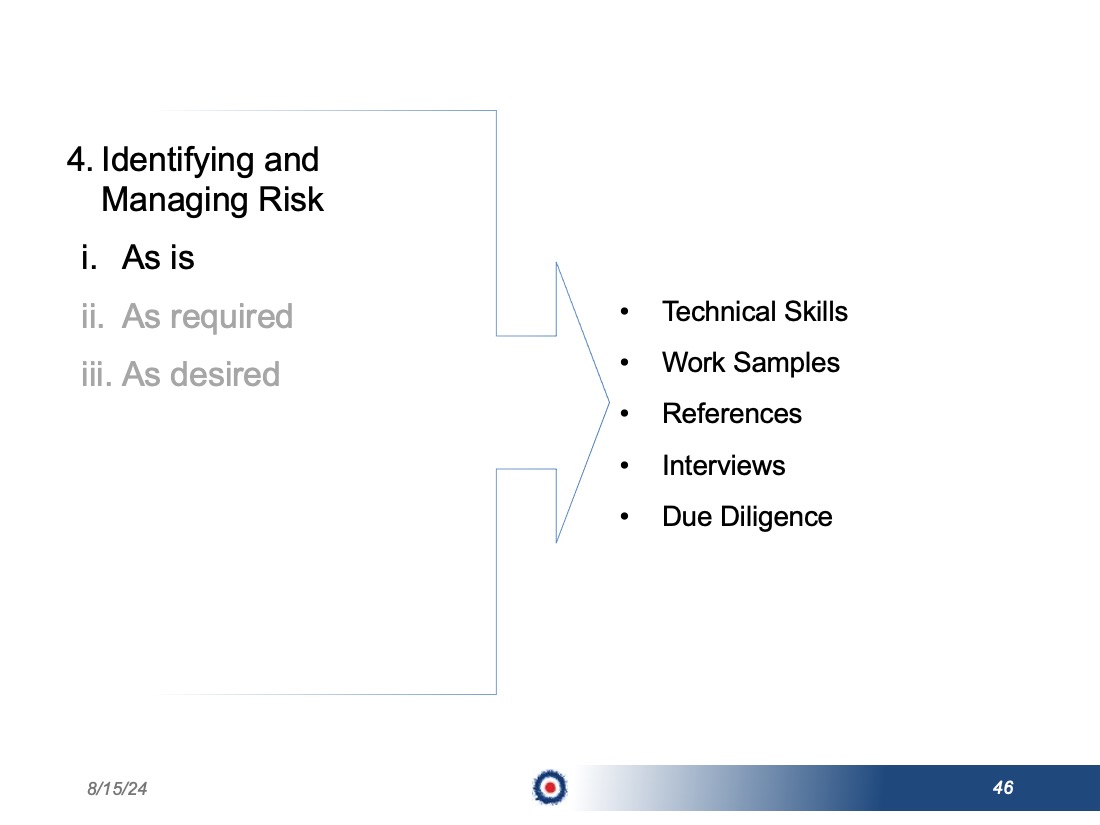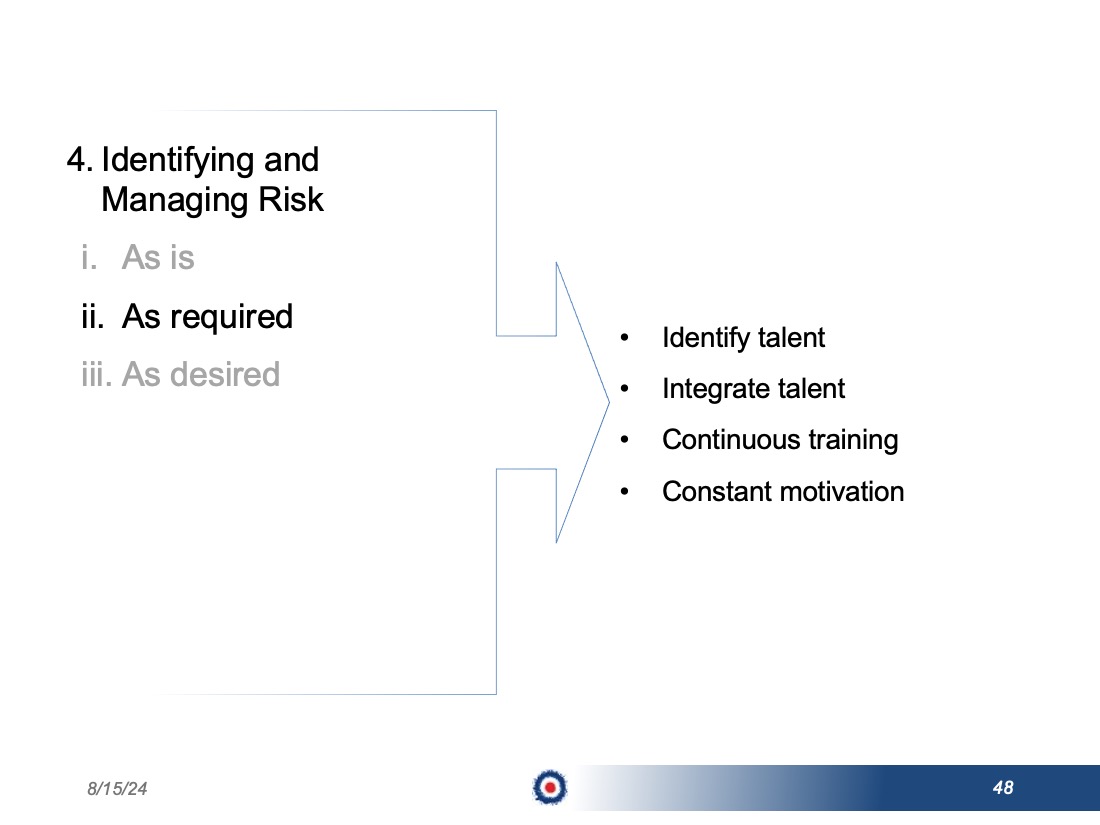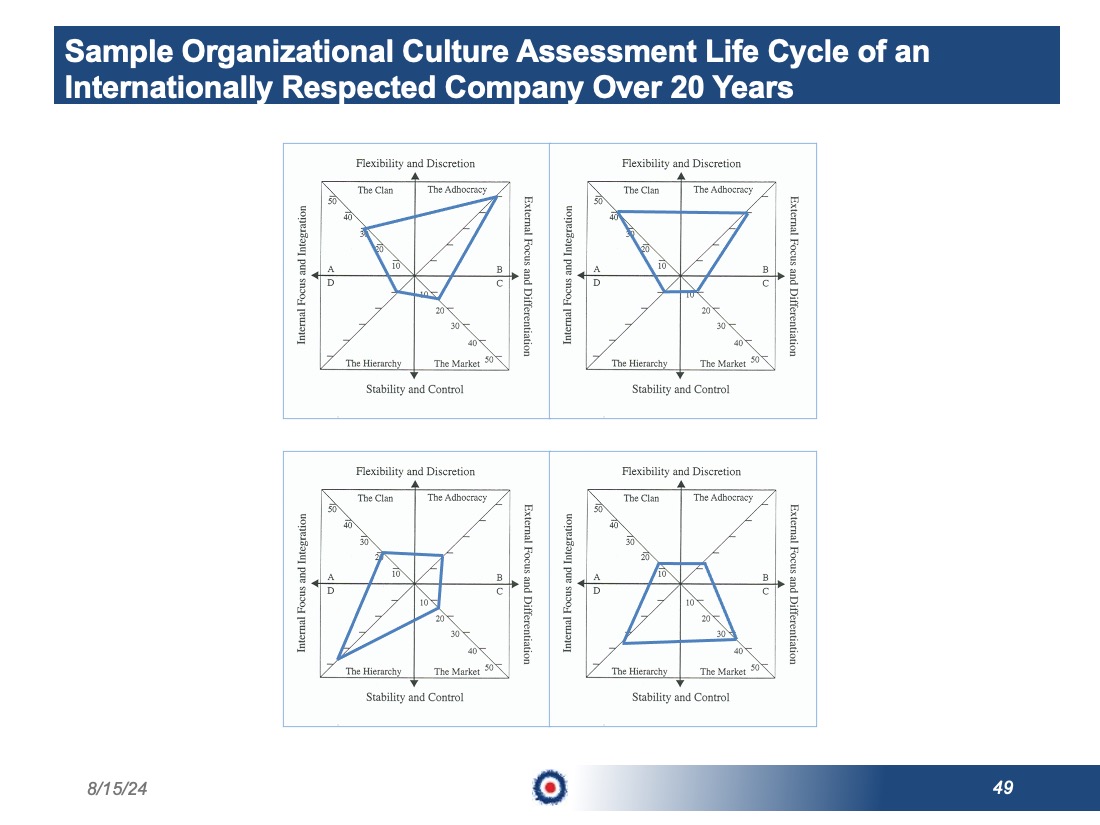
Strategic acquisitions are human capital investments. Conventional measures often fall short to forecast an individual’s or team’s correlation to predict future success. When evaluating a strategic acquisition, the due diligence phase for human capital may only view industry experience, work history, and academic background to gauge the feel for future success.
In private equity, the relationship between the investor and the investment is closely tied to the people relationship: human capital competencies.
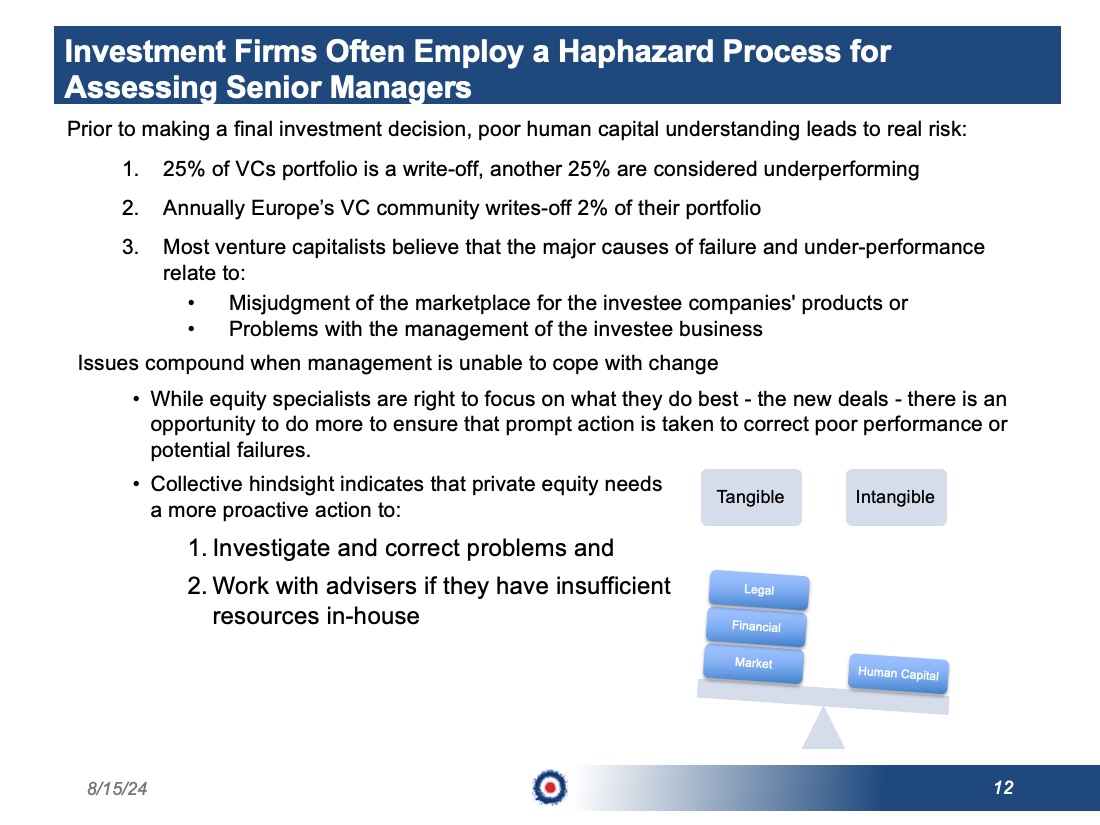
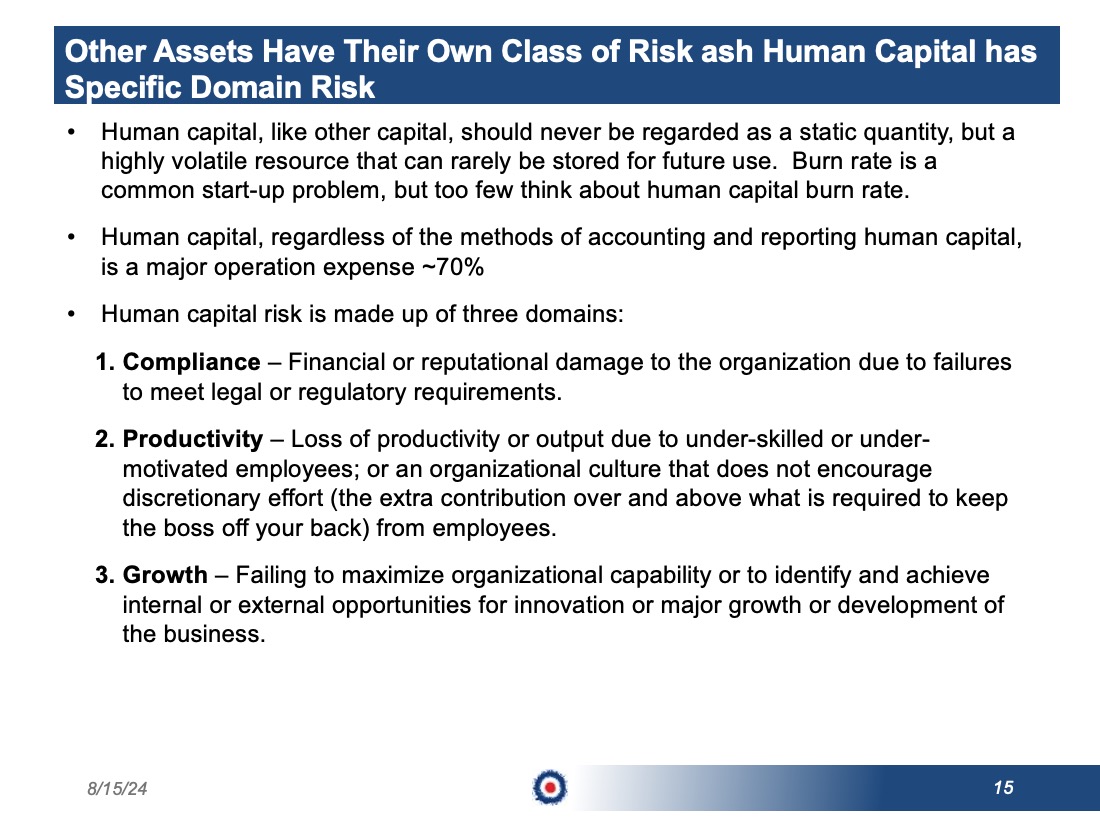
Private equity firms spend a significant amount of time with their portfolio companies, focusing on strategic direction and operational improvements. Despite this involvement, a substantial portion of private equity portfolios still fail to meet investment expectations, often due to operational challenges and talent mismanagement.
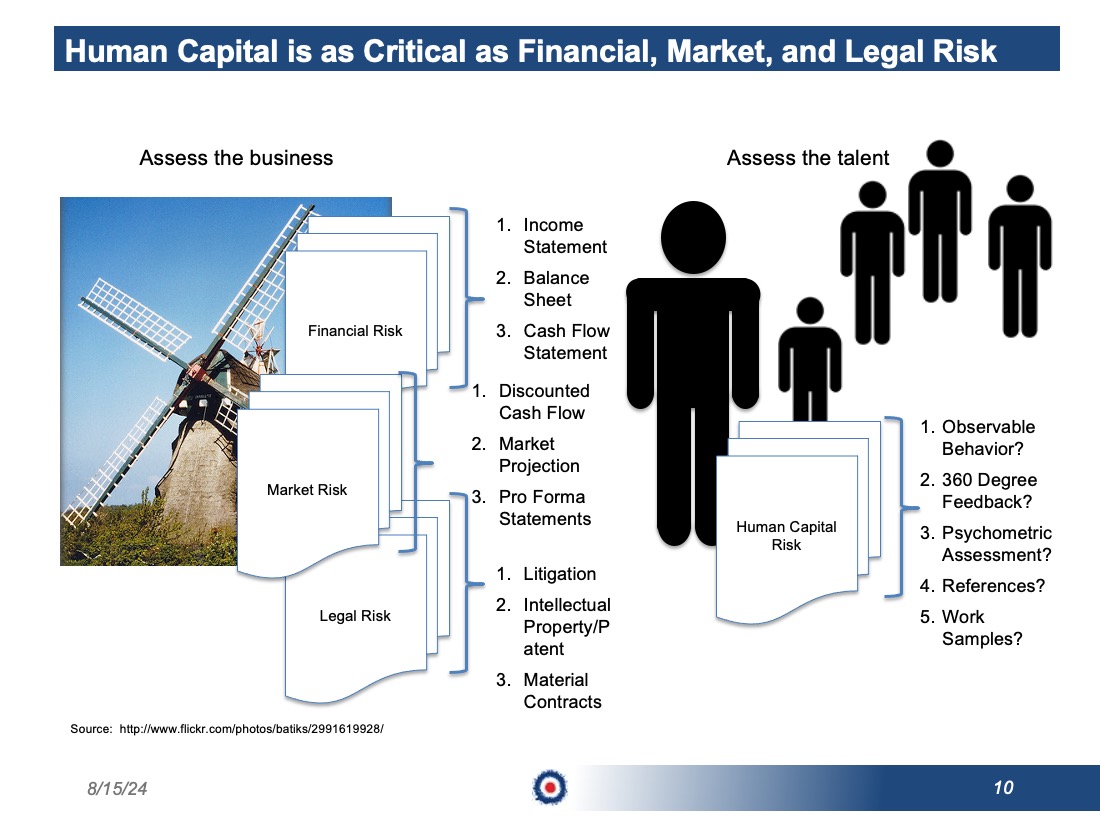
In a standard due diligence process, focus is often collected on:
- Financial information,
- Market and product potential,
- Legal information,
- Operational information, and
- Company assets
A pass of past human capital, as any financial prospective will tell you, “is not an indication of future growth”.
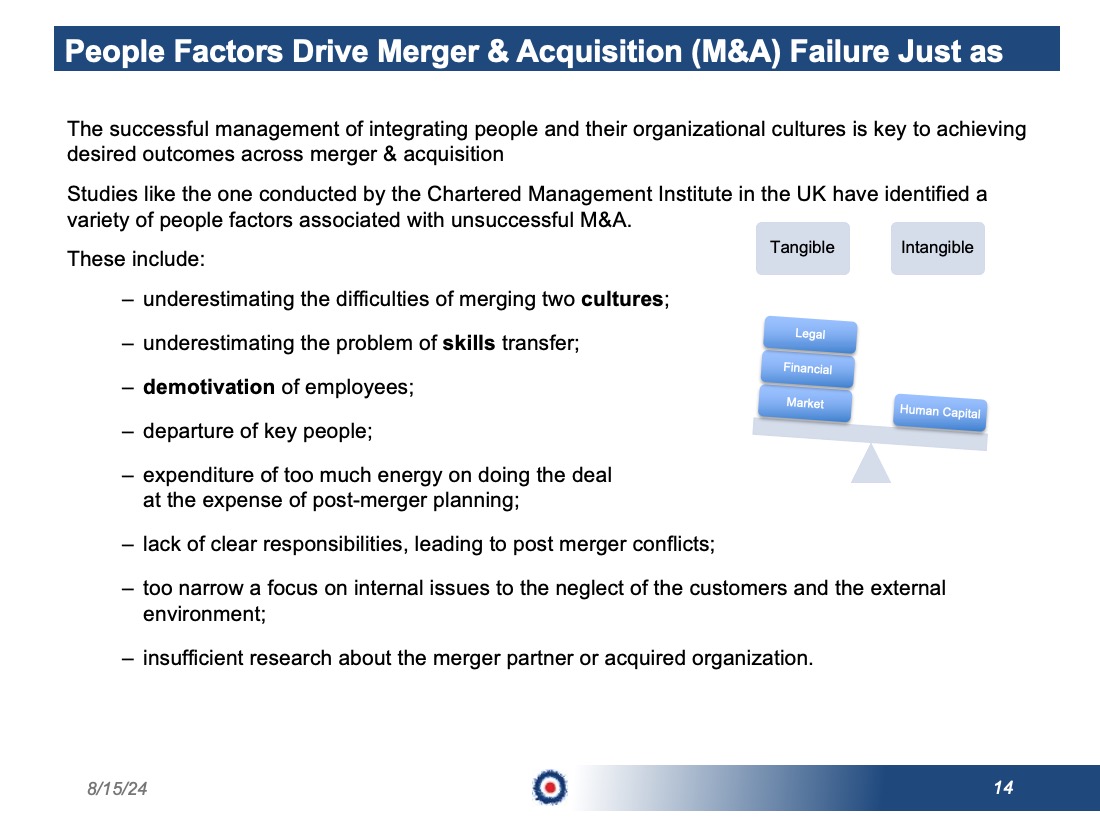
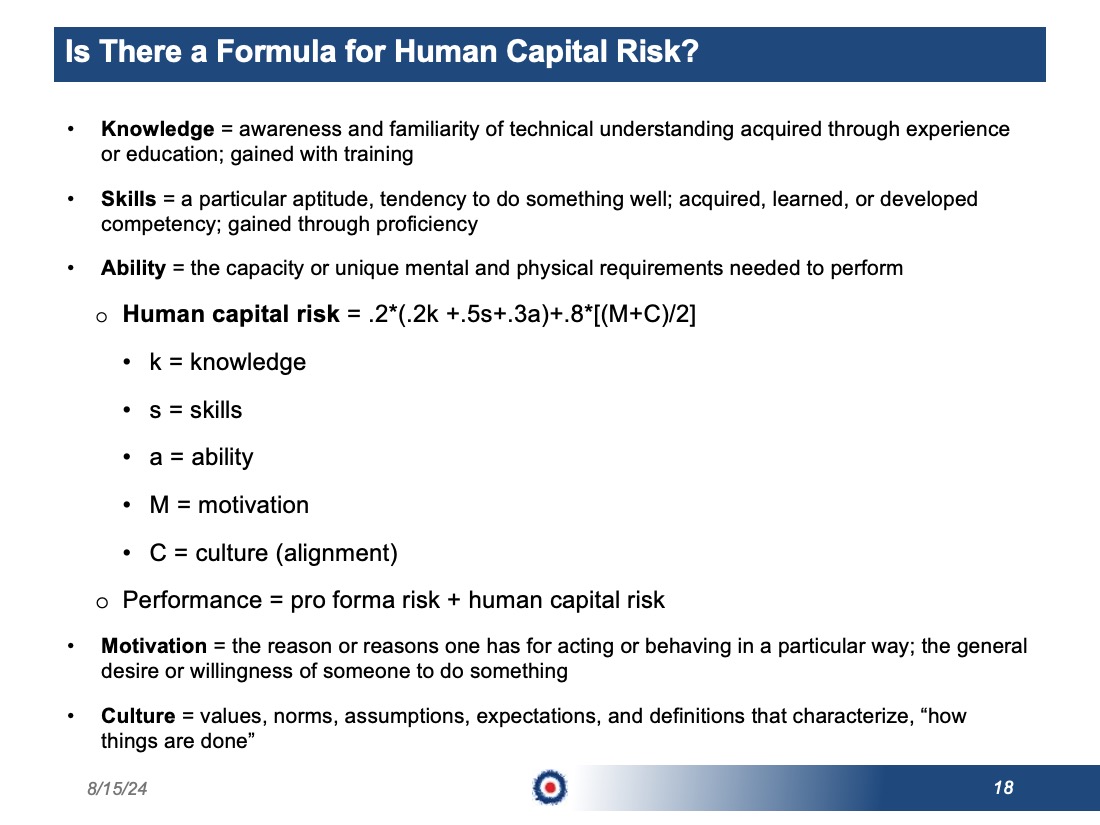
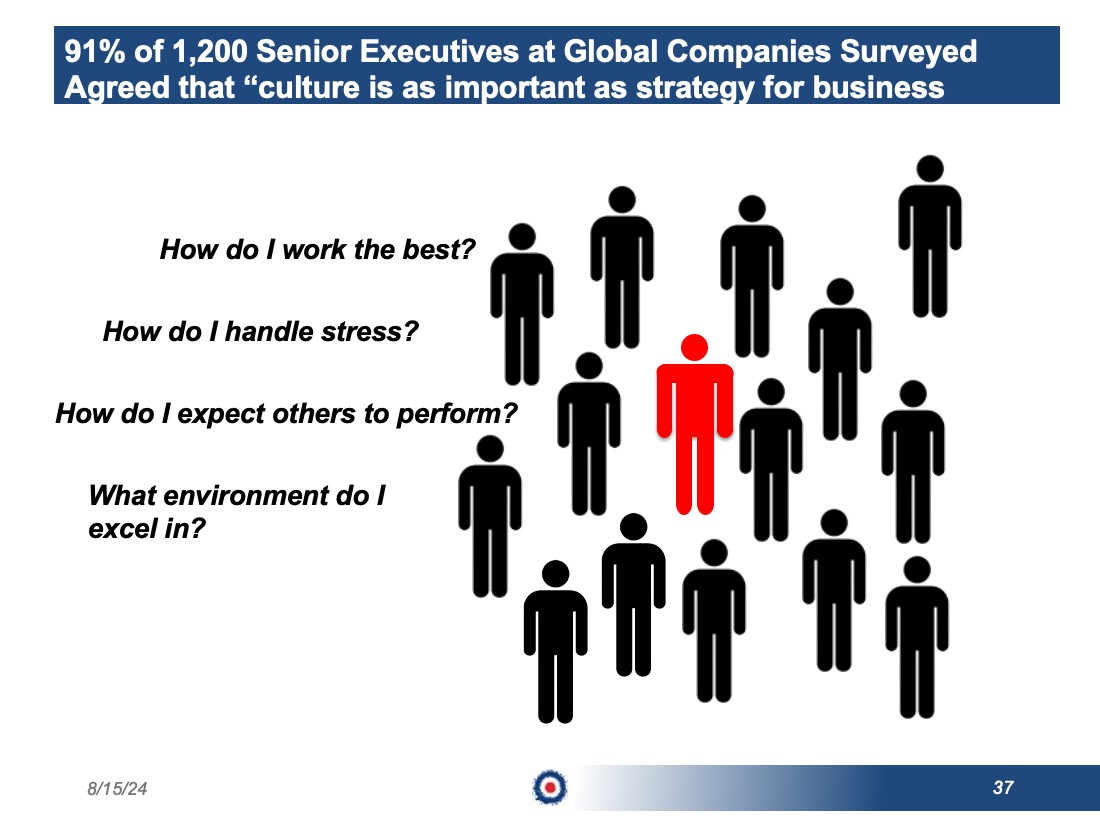
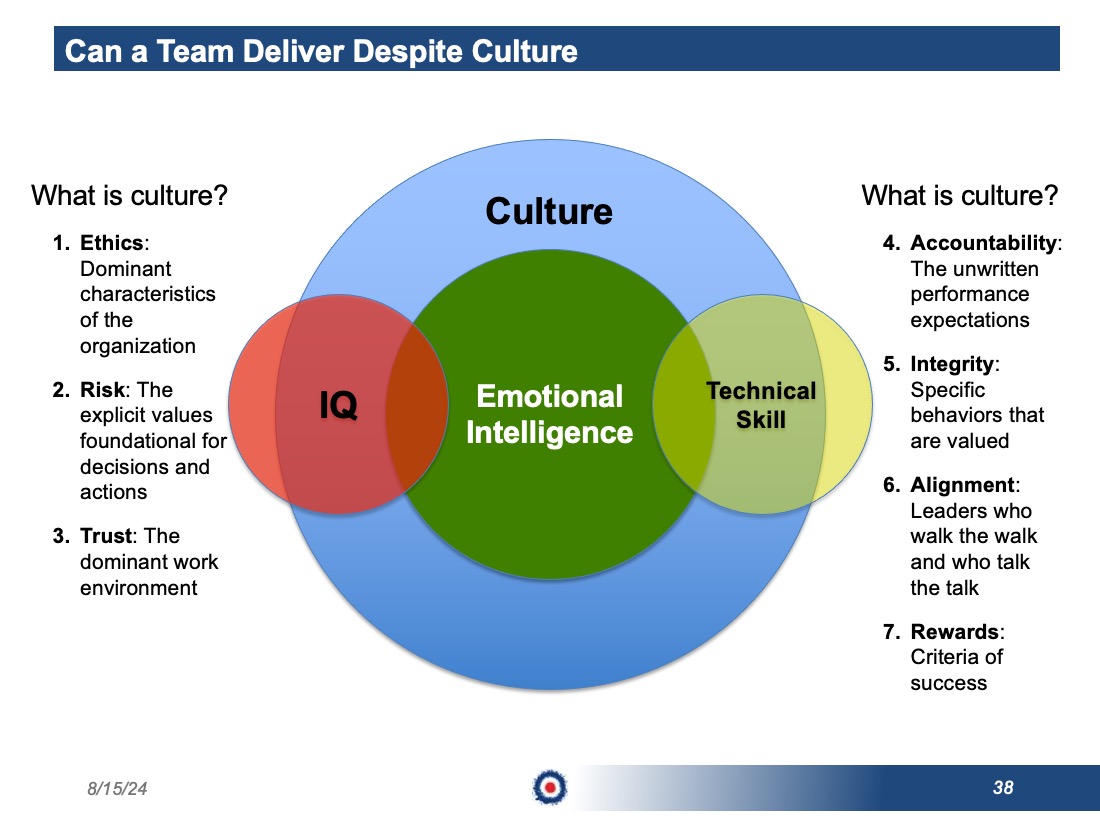
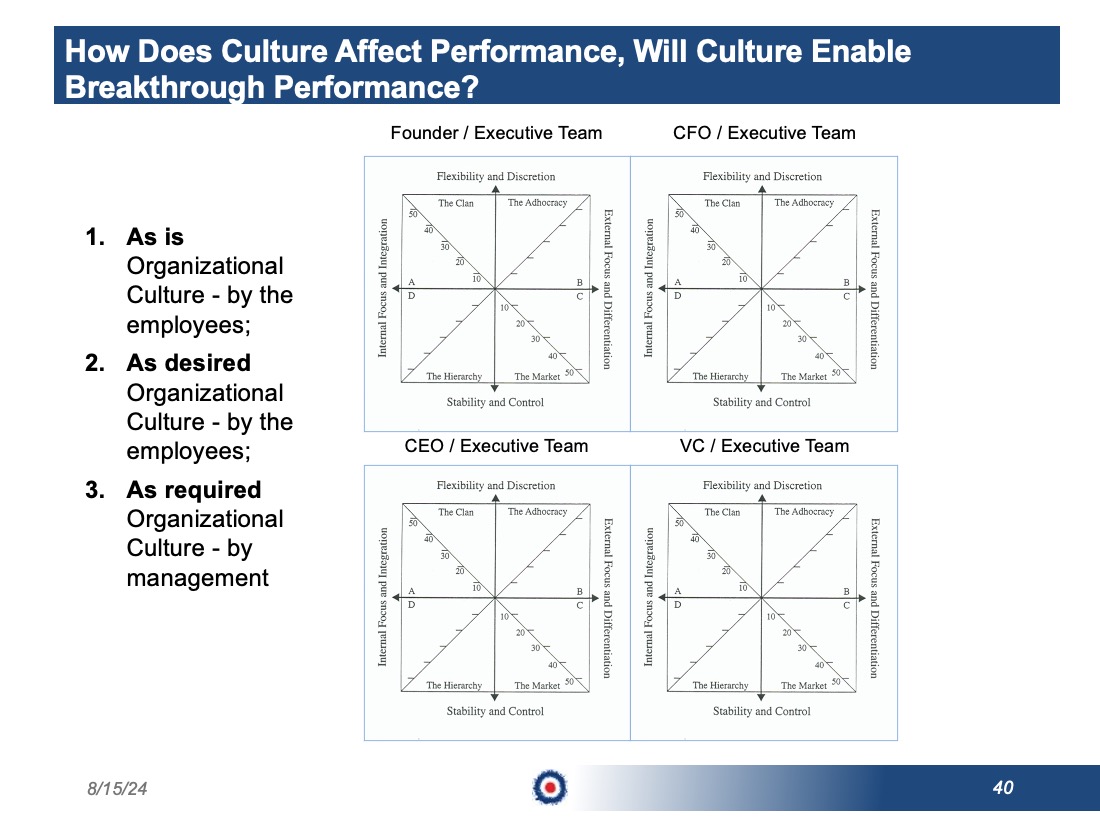
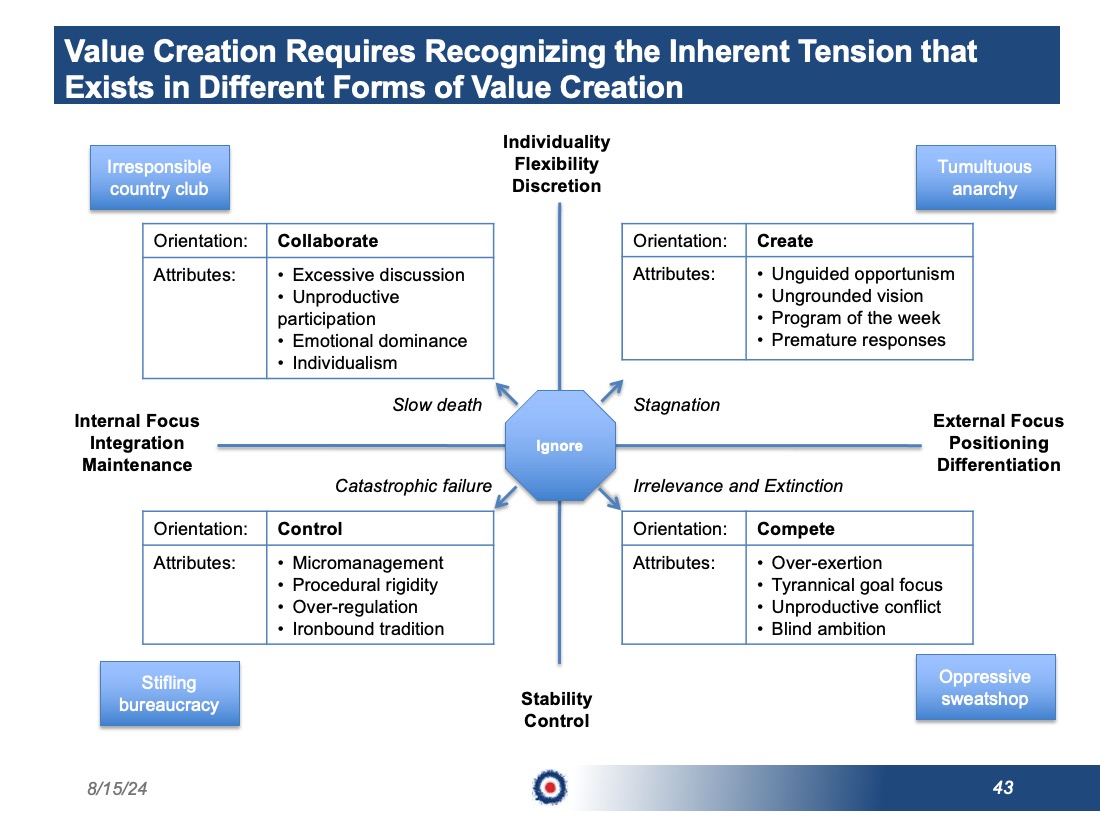
Overlooked factors like motivation and cultural alignment compound risk to understand future success.
Risk Data and Risk Relationship
Projecting how someone will manage future risk based on past performance is highly speculative. As any seasoned investor knows, past history is not an indication of future results. Managing a $5 million revenue stream is vastly different than scaling to a $300 million revenue stream in five years.
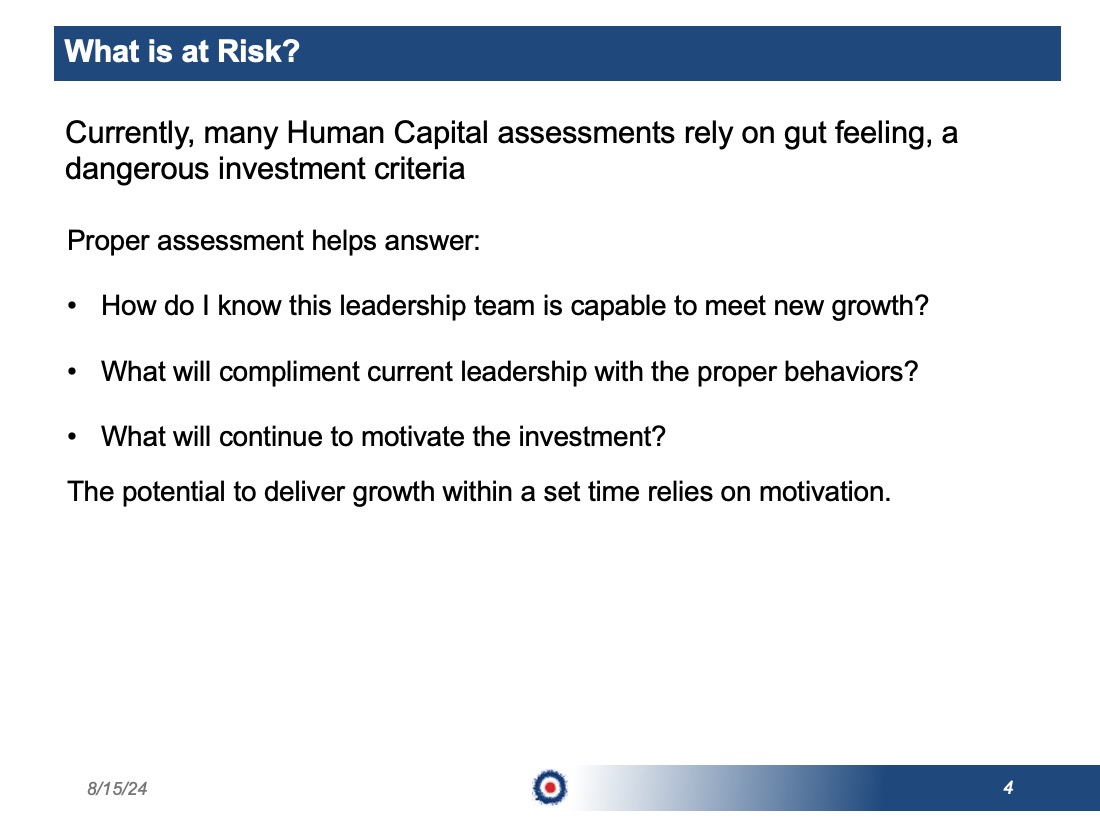
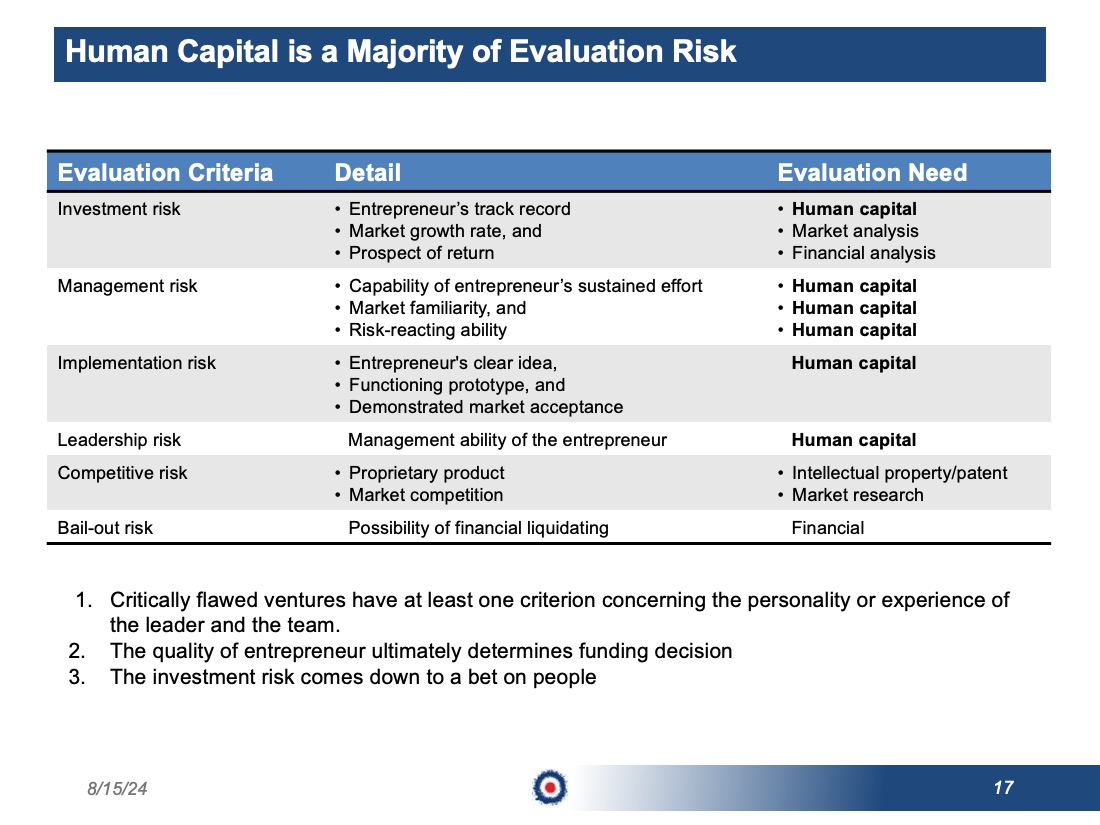
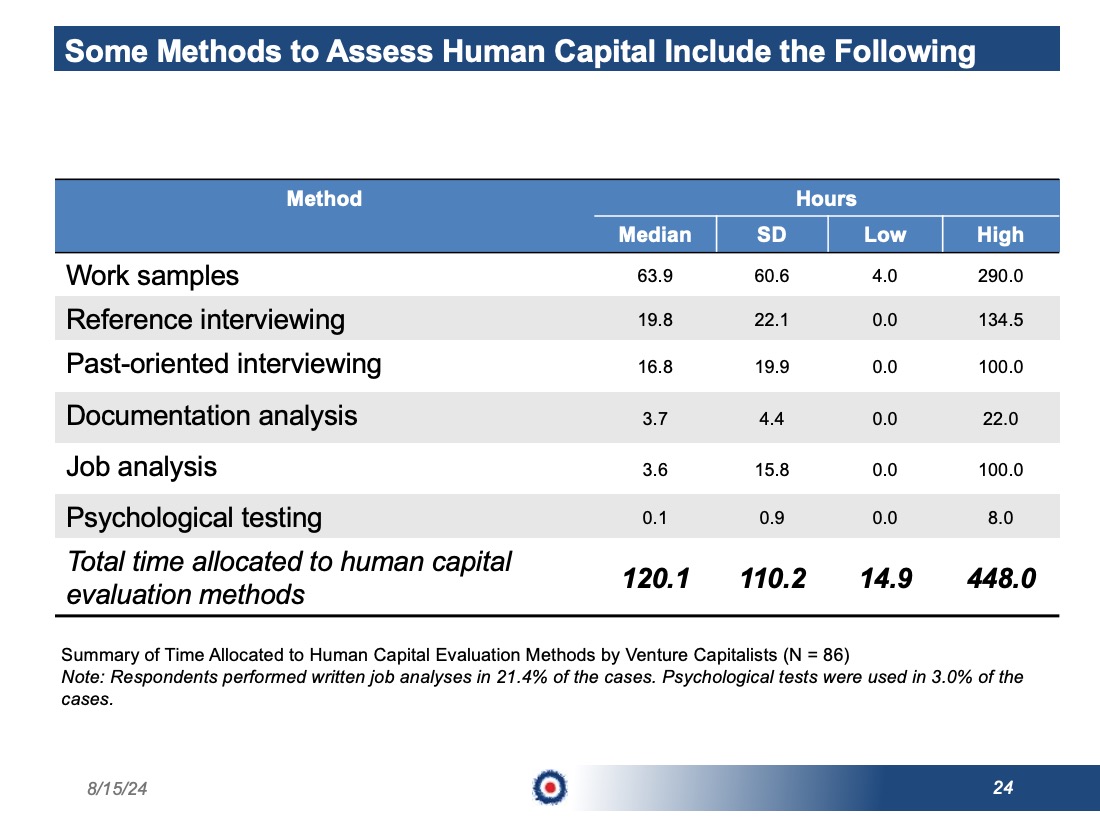
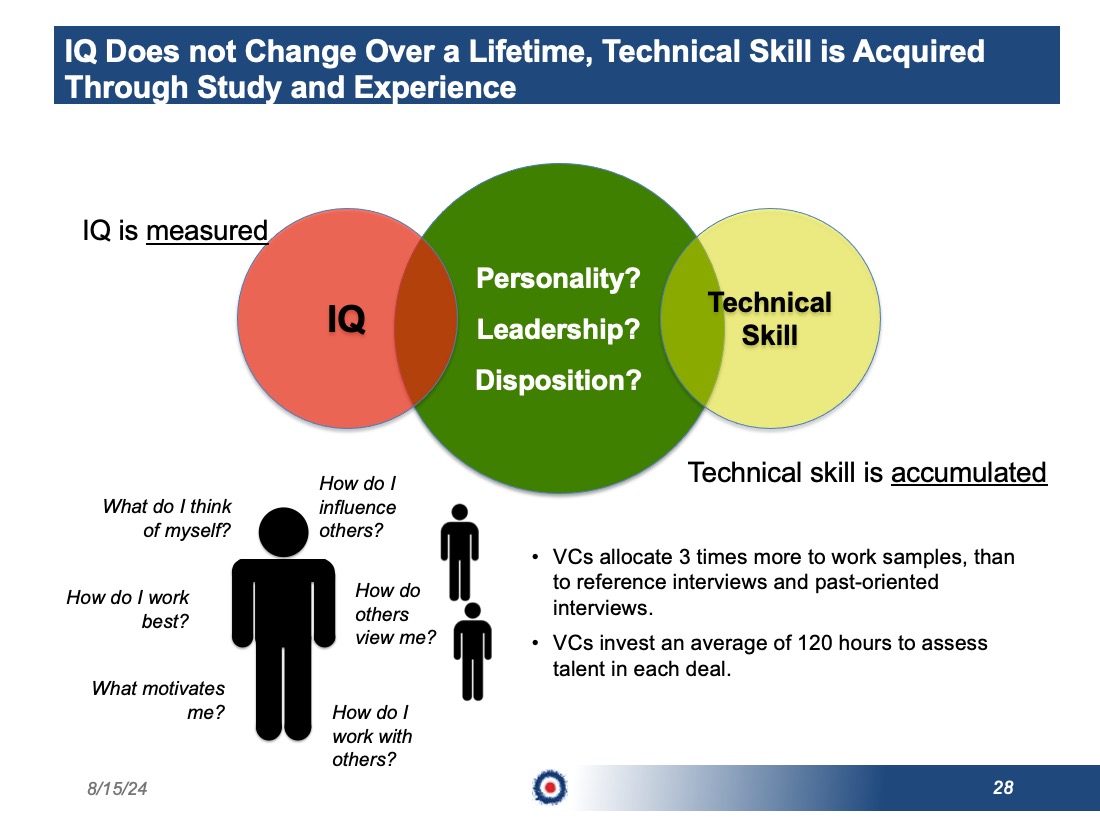
The venture capital community often relies on “gut feel” to determine which ventures to back. However, a more accurate human capital assessment can become a competitive business advantage that leads to higher returns and lower operating costs. By now, big data now provides a business case to trump any person’s gut.
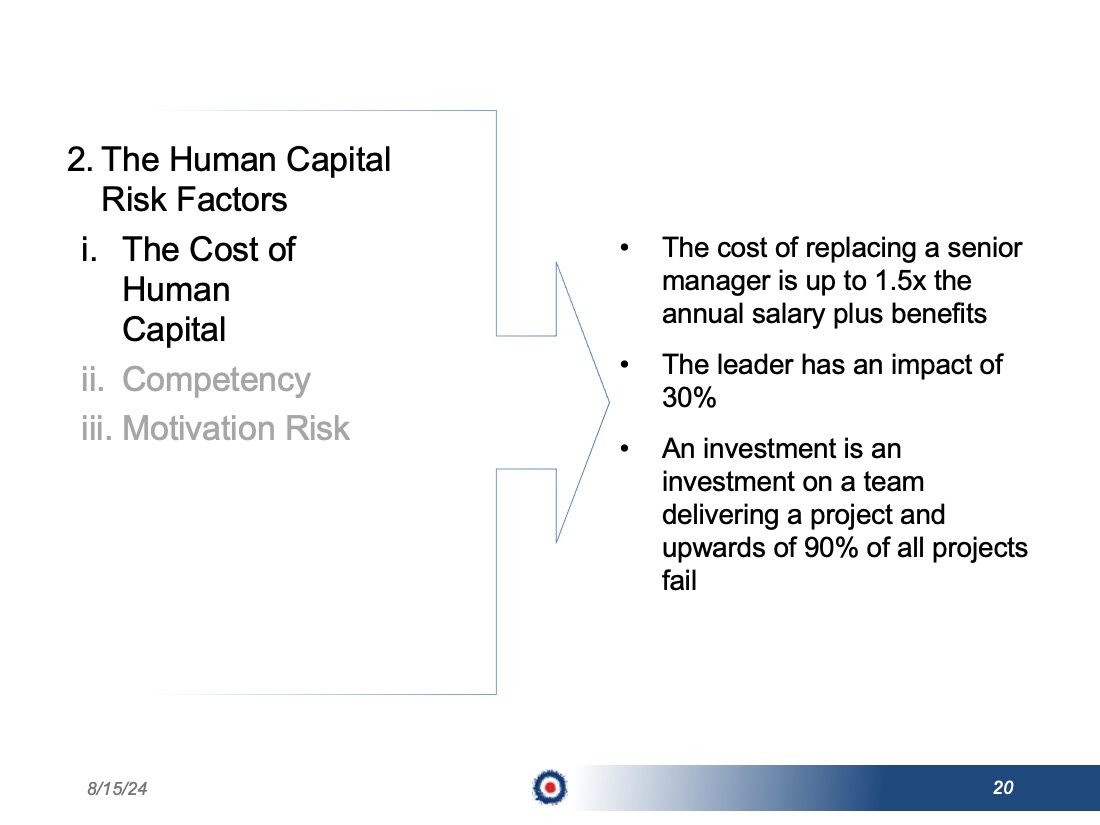
Human capital risk is present throughout the investment life cycle. Christopher Williams, a senior managing director with Madison Capital, notes:
Some sponsors have wasted valuable time trying to negotiate a financial fix versus focusing on the operations of their portfolio companies. We have had a few sponsors toss us the keys and walk away from businesses because they didn’t have the operational expertise to deal with certain issues. As a lender, it makes you think twice about working with these types of firms.
Operations has to include how talent operates. Not just prior to investment, but post investment to achieve new objectives. It takes guts to not evaluate human capital.
Gut Risk is Guts-y
Despite the critical role of human capital, many firms raise billions of dollars and risk similar amounts on “gut feel” rather than leveraging big data to quantify and correlate human capital risk. This approach is fiscally irresponsible given the availability of advanced analytics and data-driven methods. The lack of comprehensive human capital data makes it difficult for investors to accurately assess the value of human capital, leading to reduced price efficiency and poor business decisions.
McKinsey & Company adds their point in Organizing for M&A:
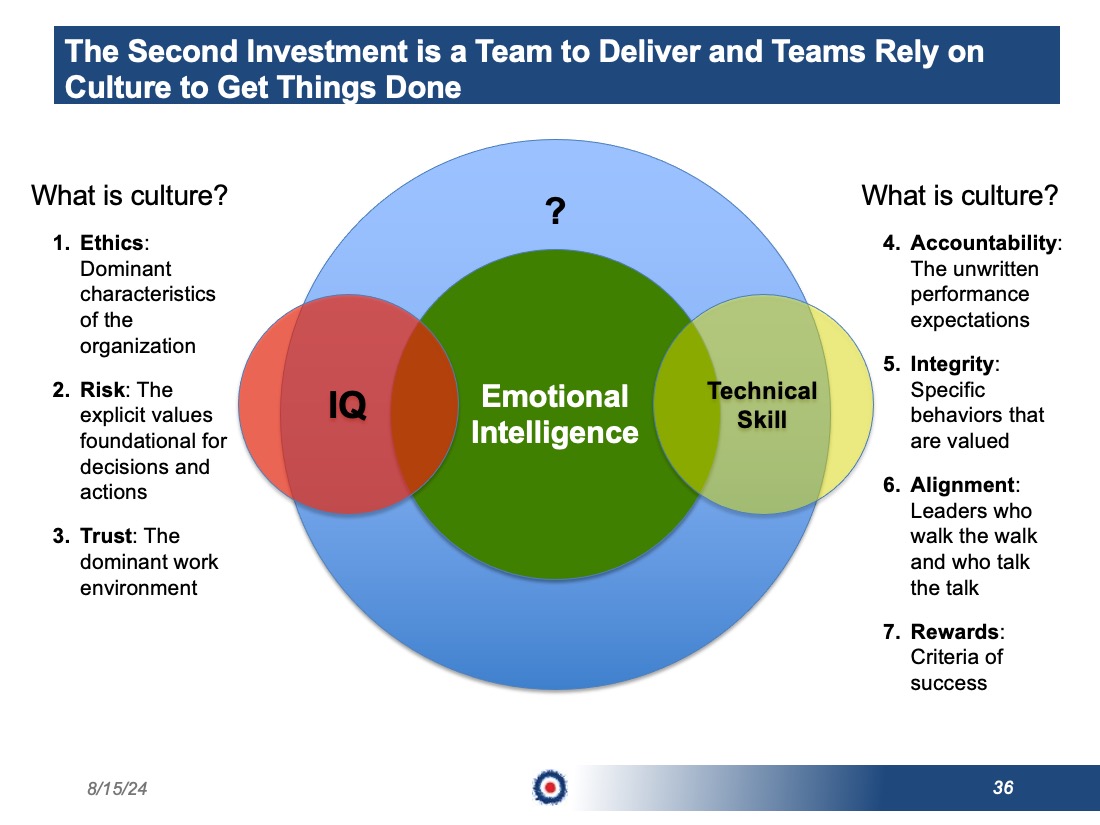
It is critical for companies to retain talent and manage cultural differences. The results suggest that most companies would benefit from examining whether they have established the culture and structures to make the most of the different skills, values, and insights available in acquired organizations.
Agreed. With the caveat that retaining talent is only important if the talent retained can realize the expected investment future. Getting to that future happens faster than the past, who is capable of that?
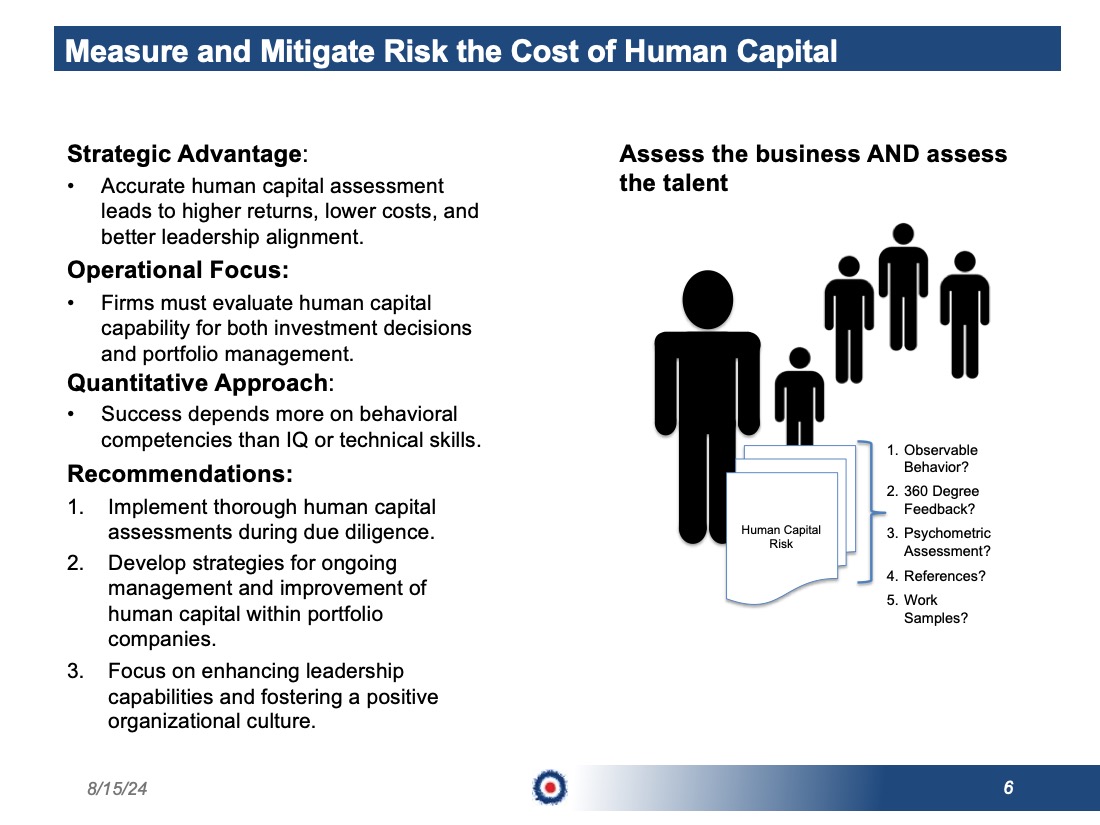
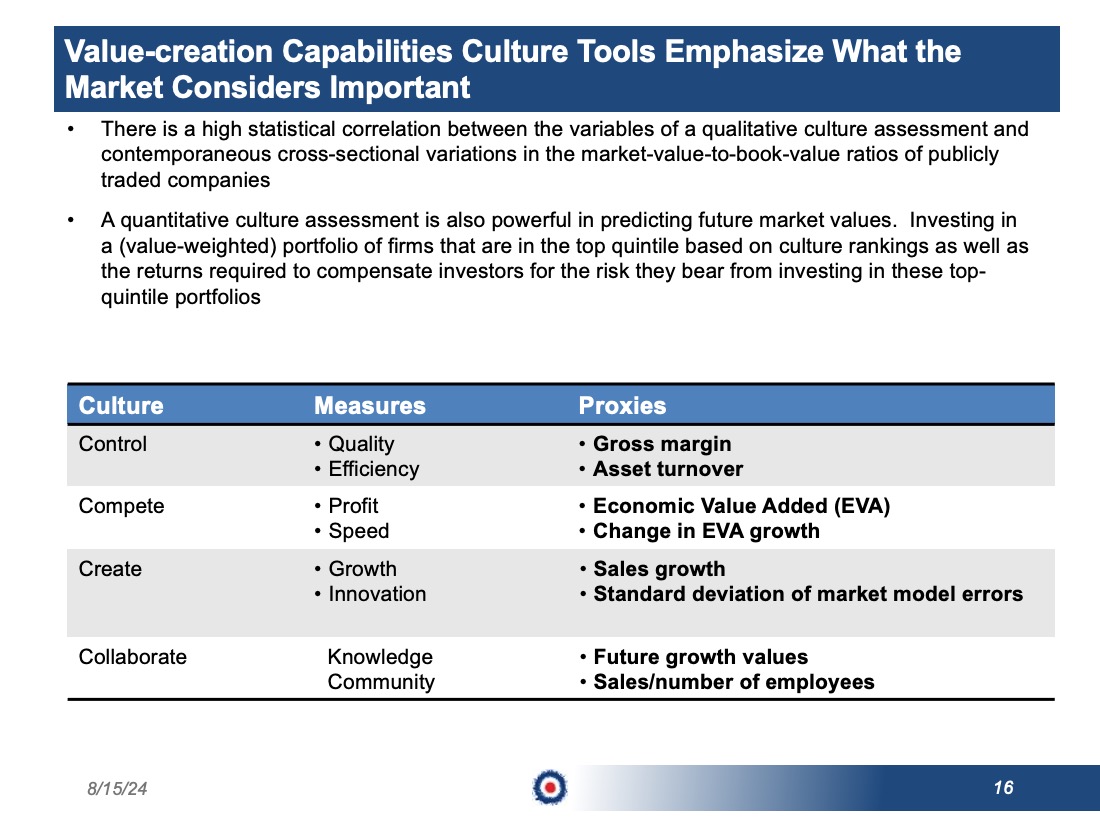
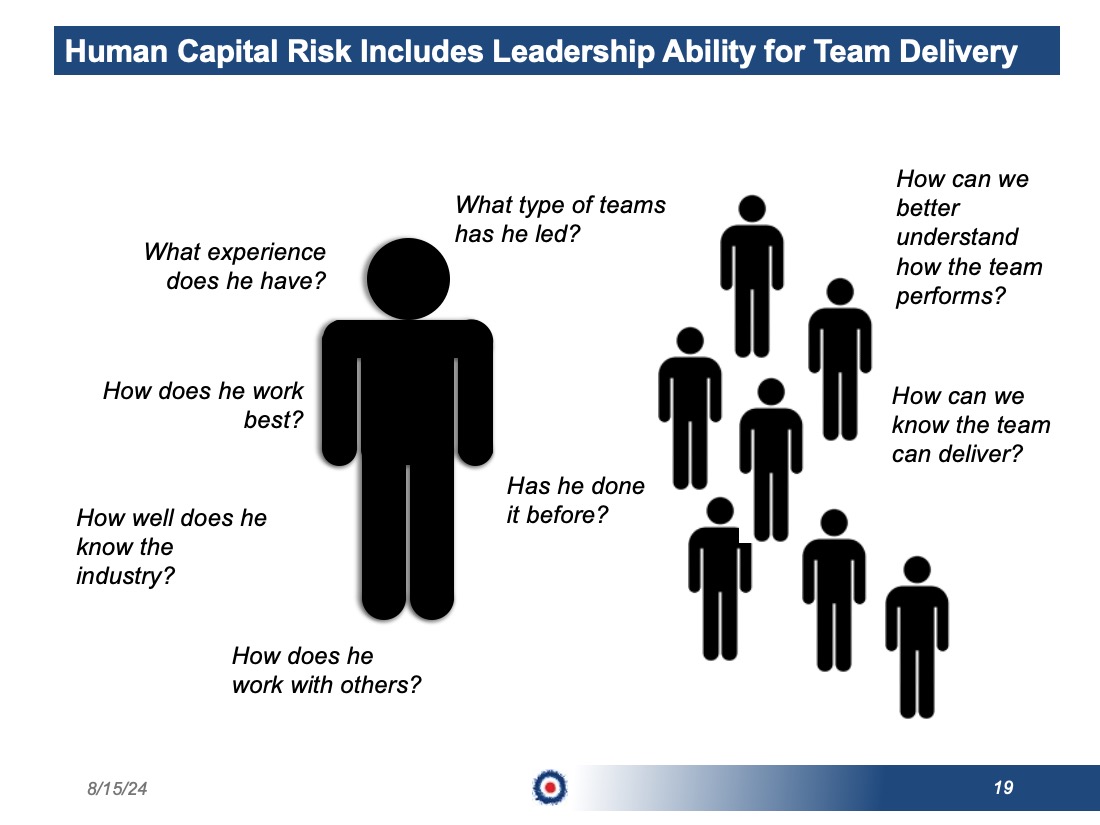
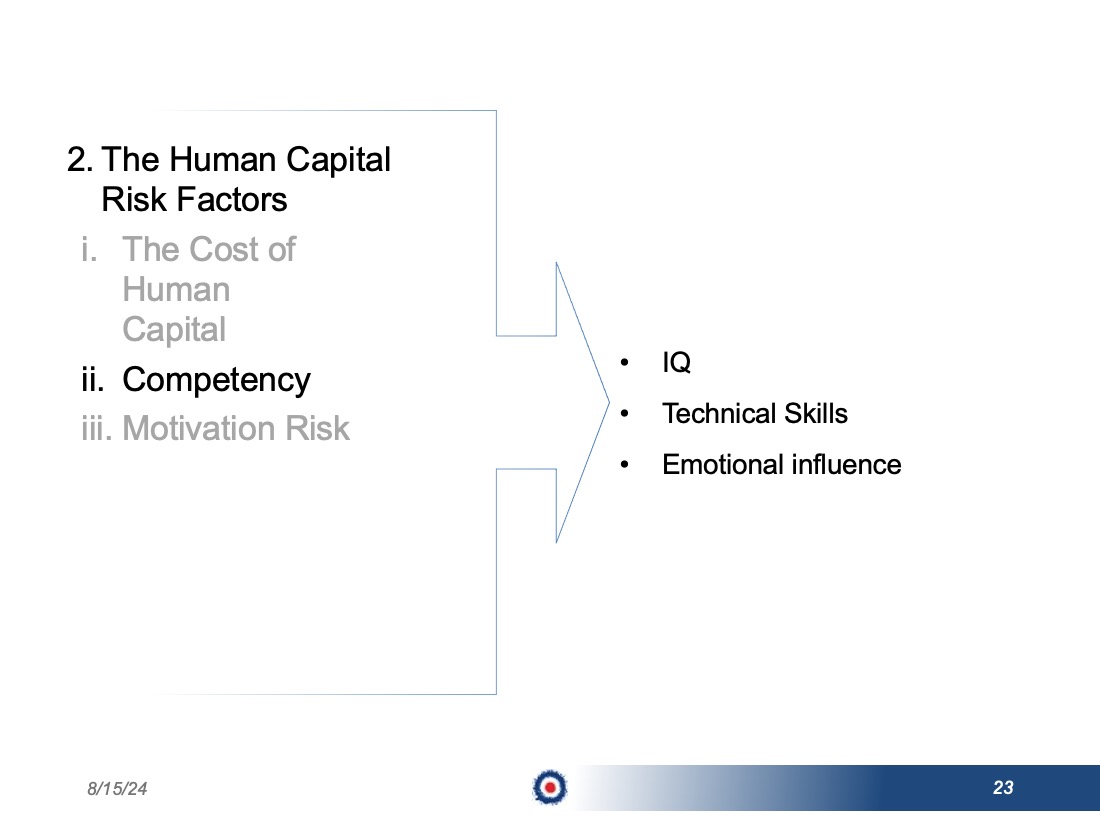
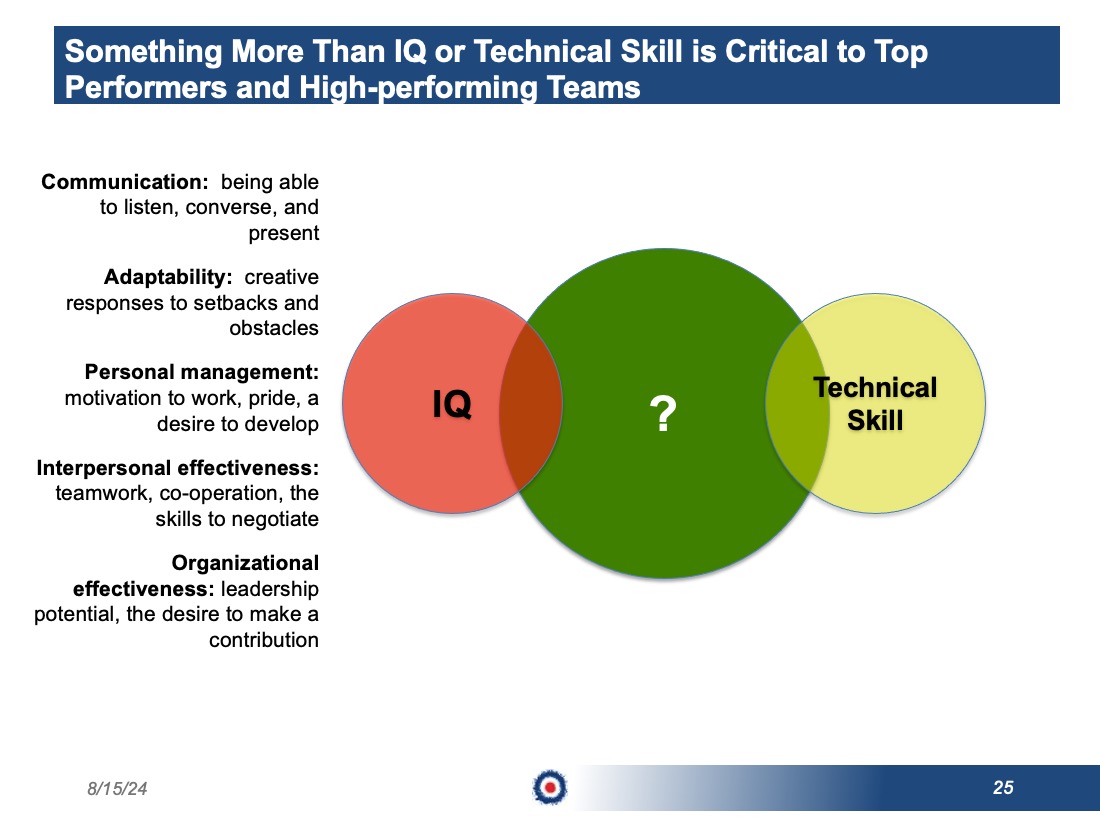
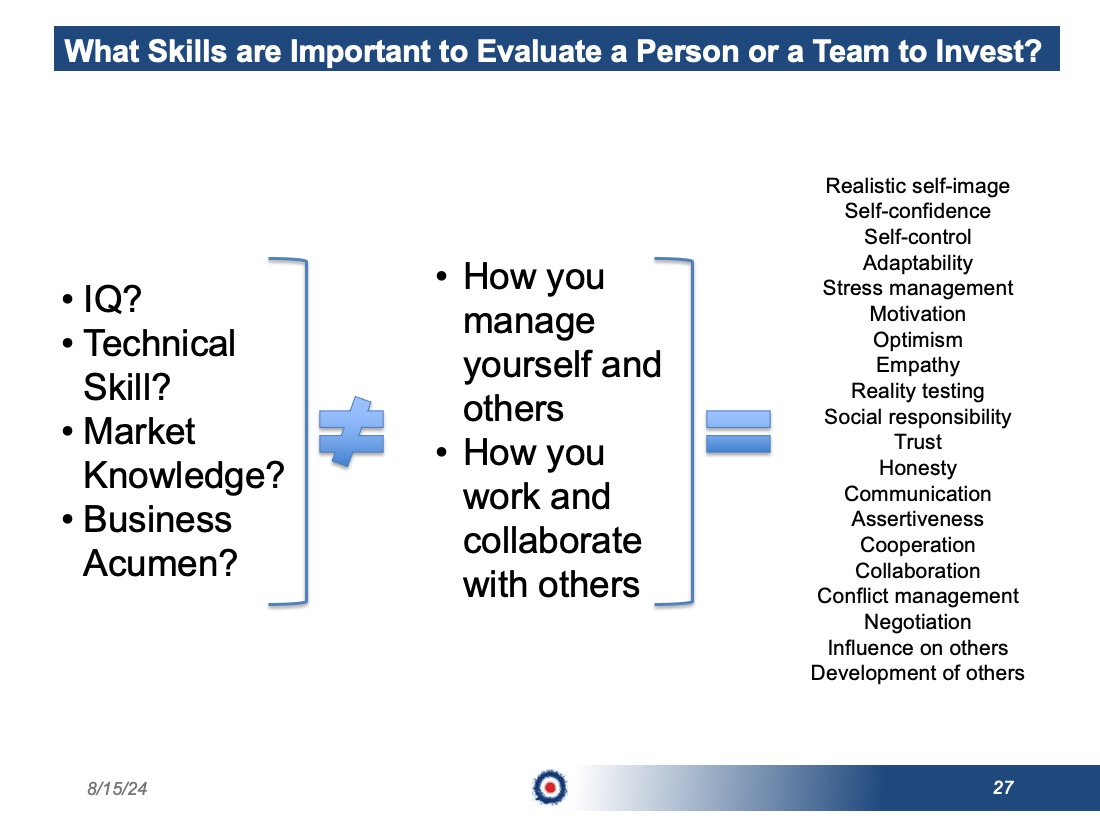
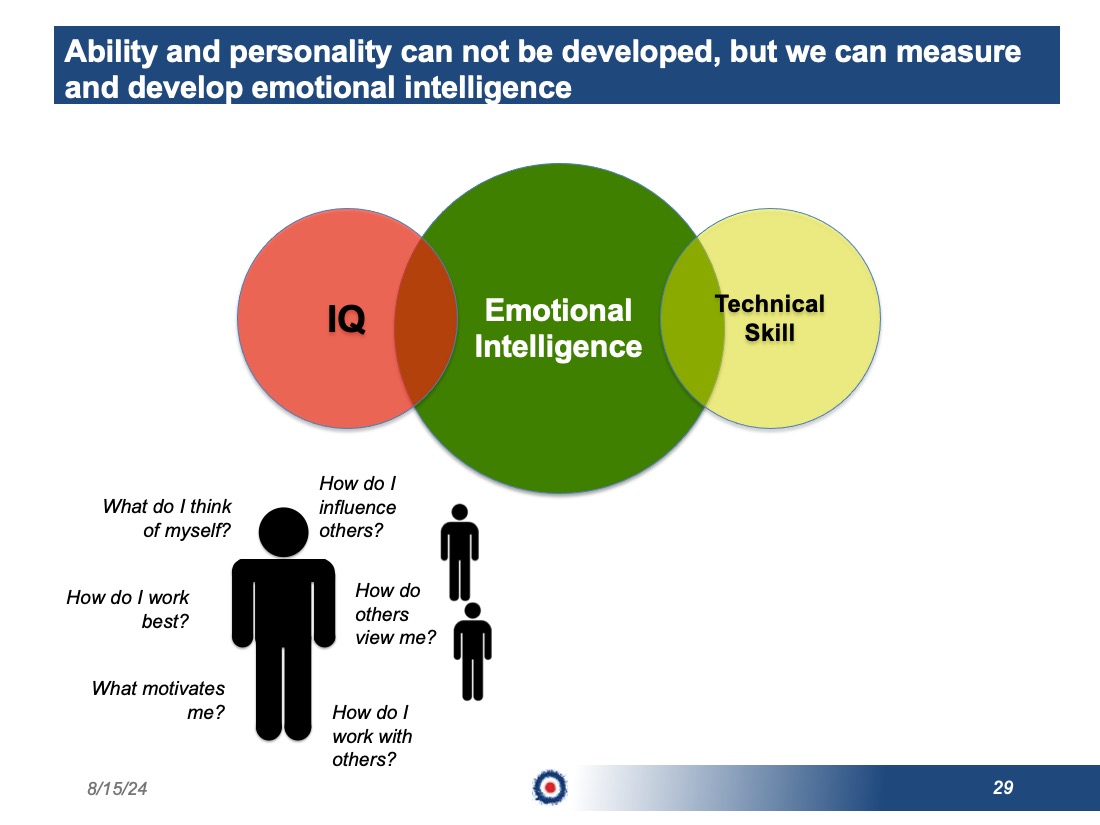
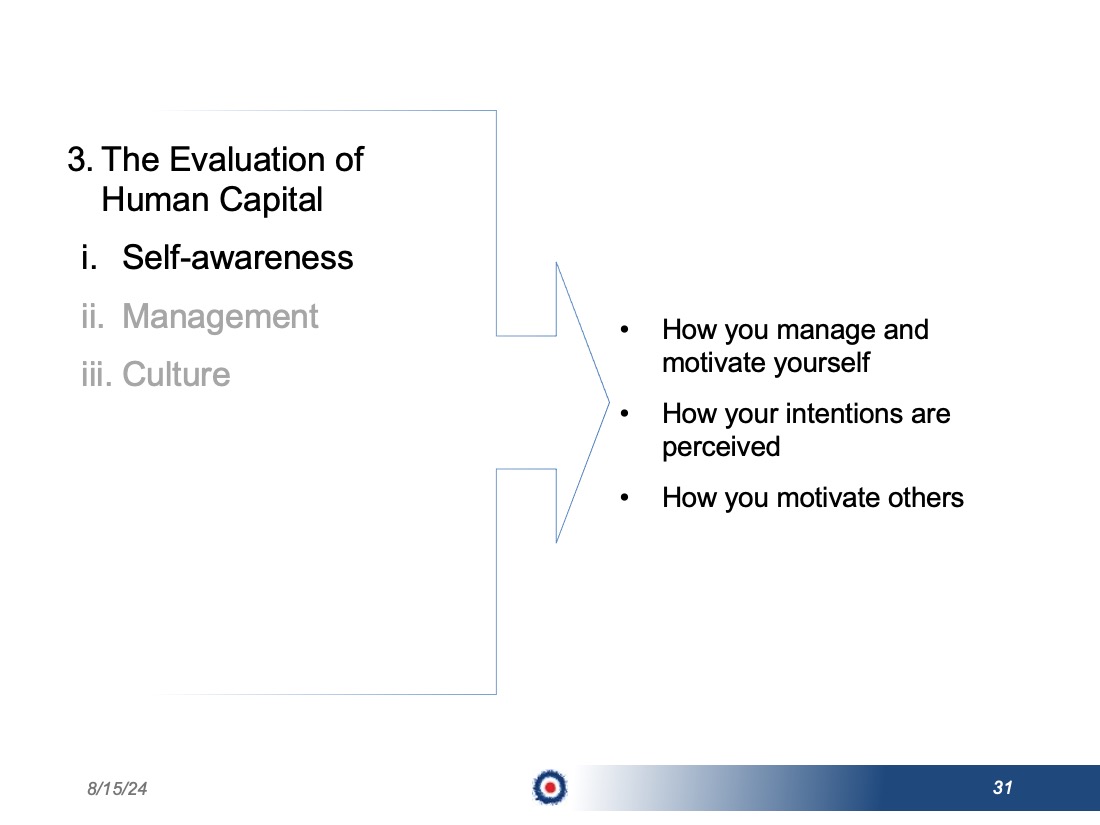
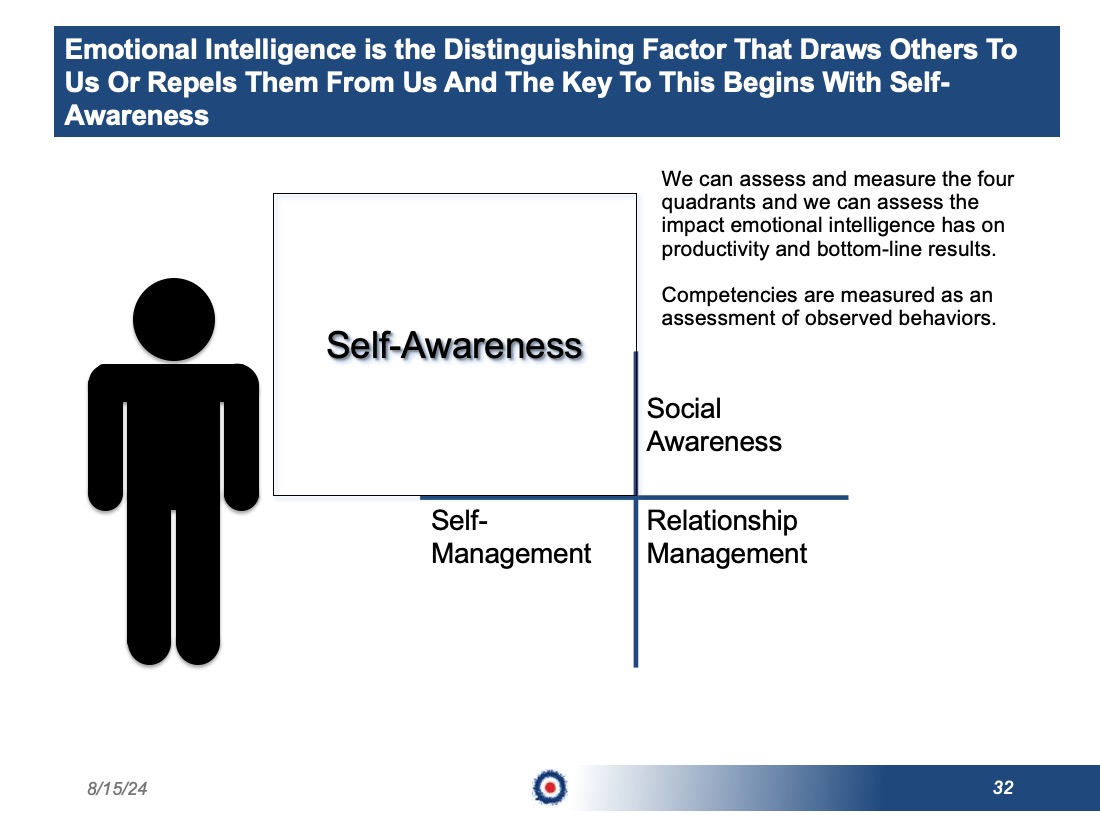
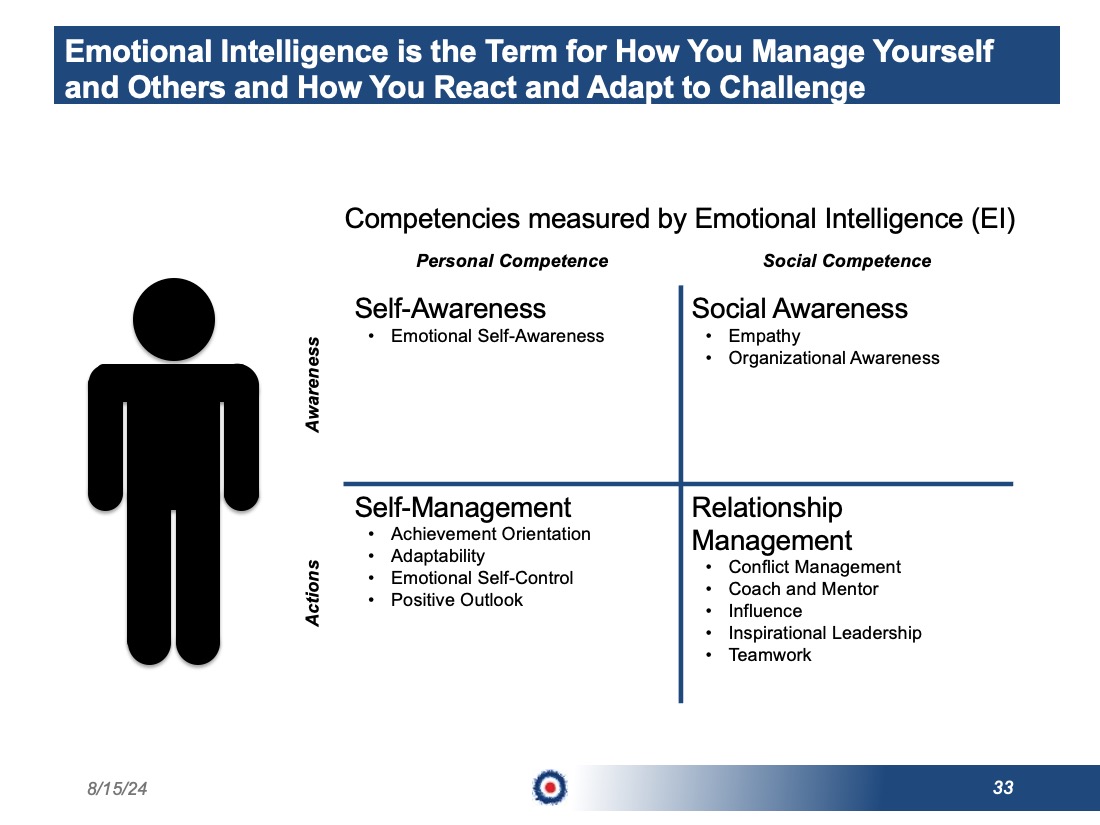
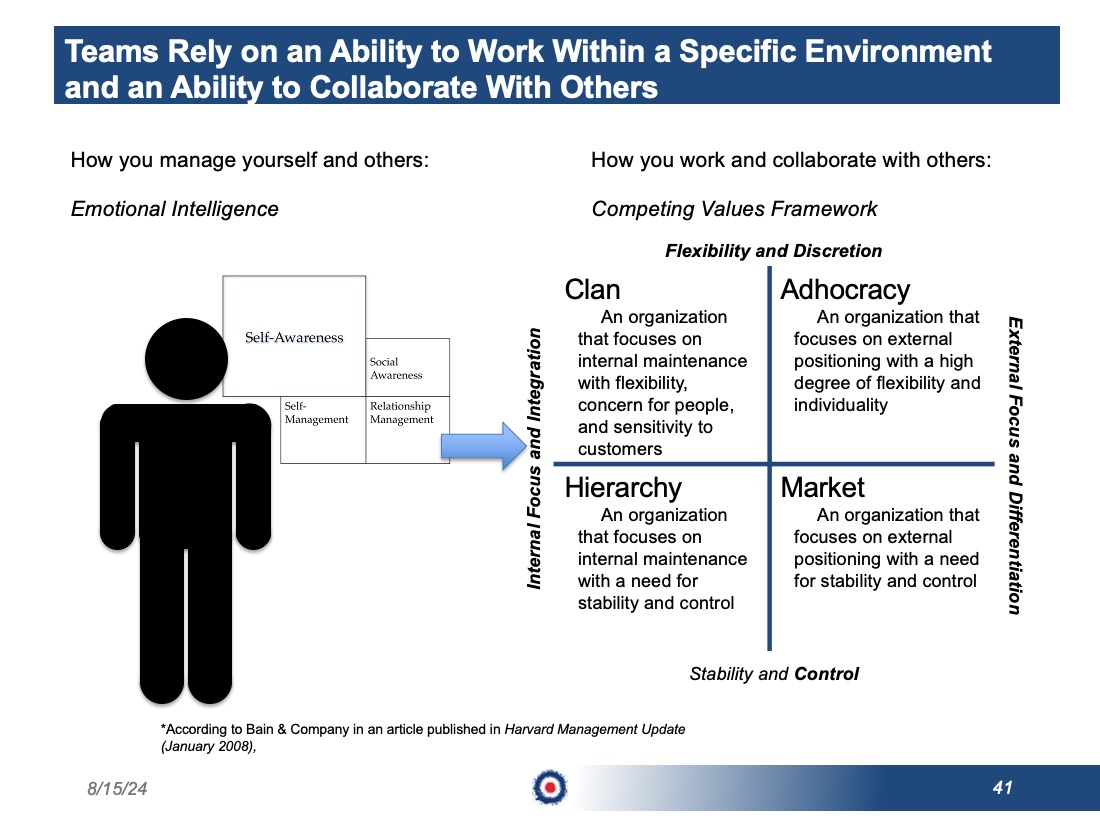
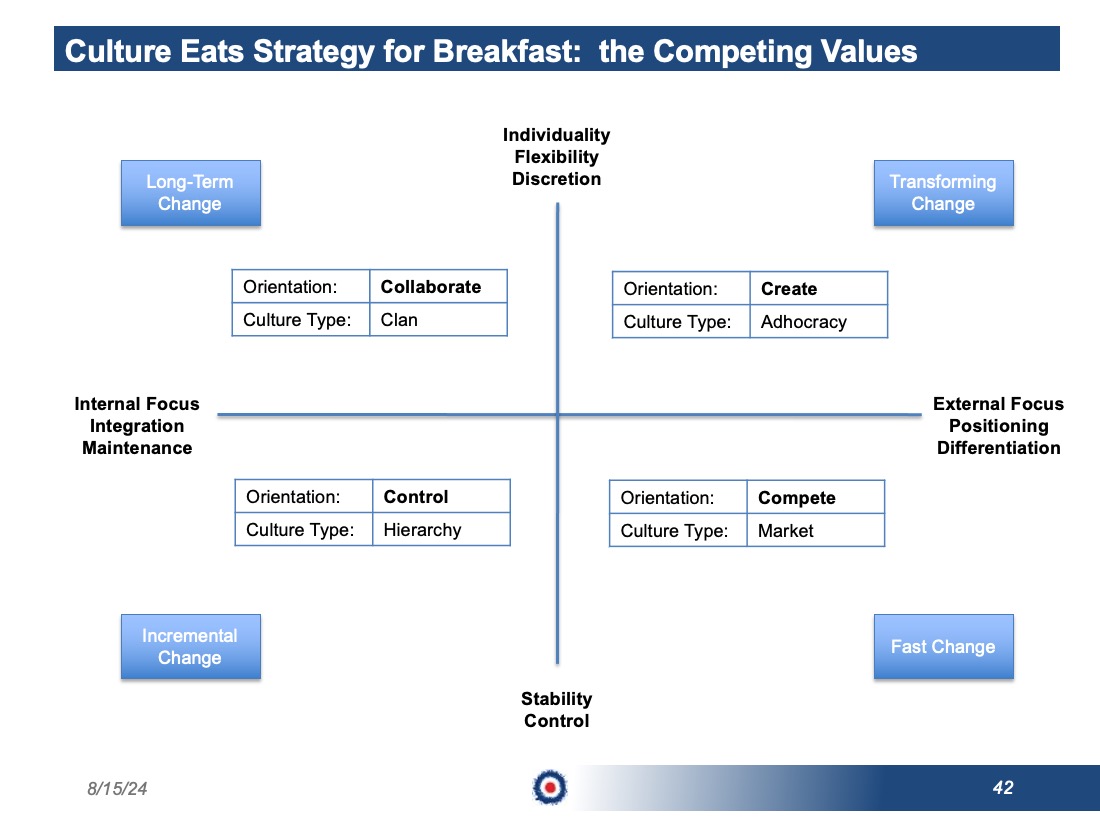
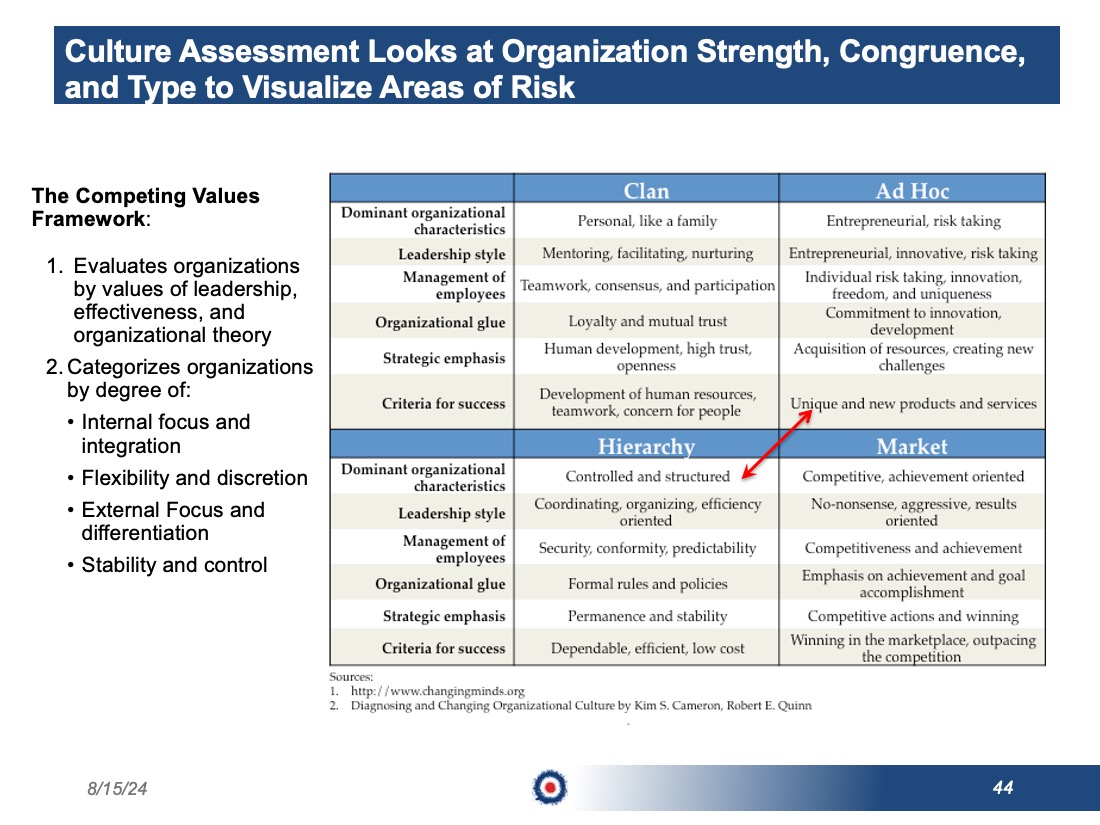
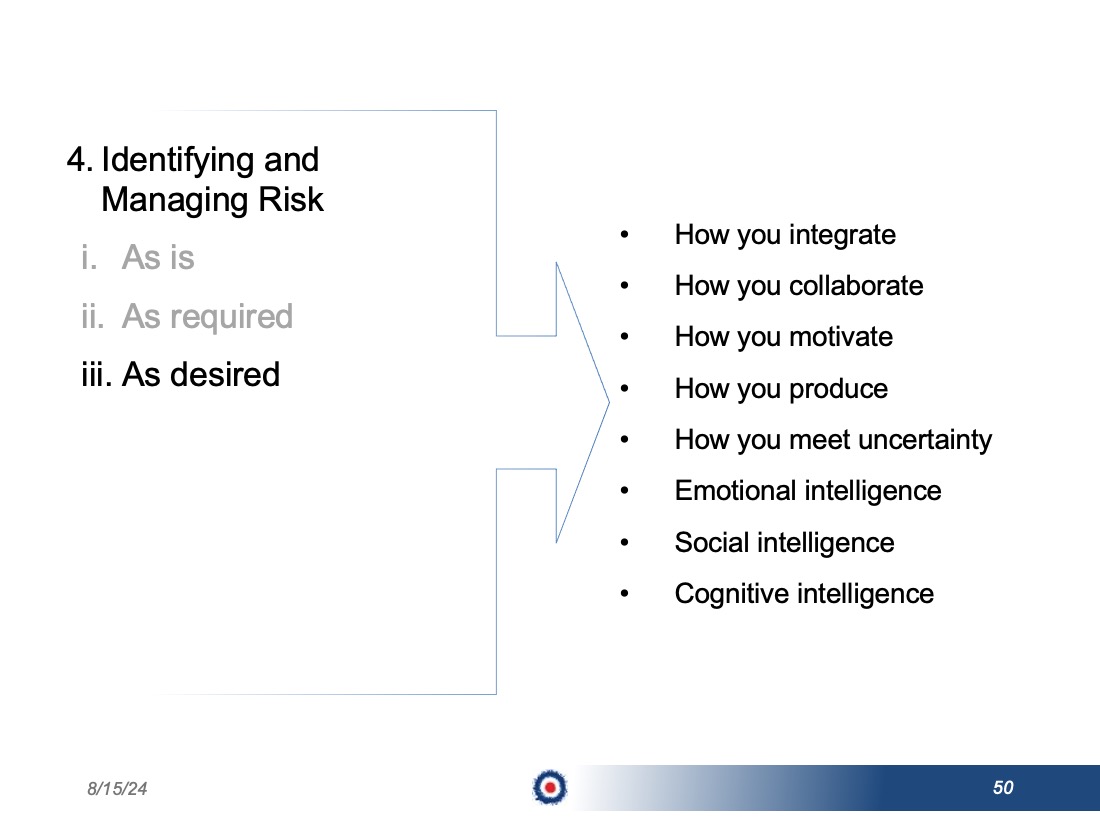
Measurable, human capital, competency-based assessments can quantify how people manage themselves and others, and how teams collaborate. These competencies are critical human capital performance indicators and include:
- Cognitive competencies: Systems thinking and pattern recognition
- Emotional intelligence competencies: Self-awareness and self-management, such as emotional self-awareness and emotional self-control
- Social competencies: Social awareness and relationship management, such as empathy and teamwork
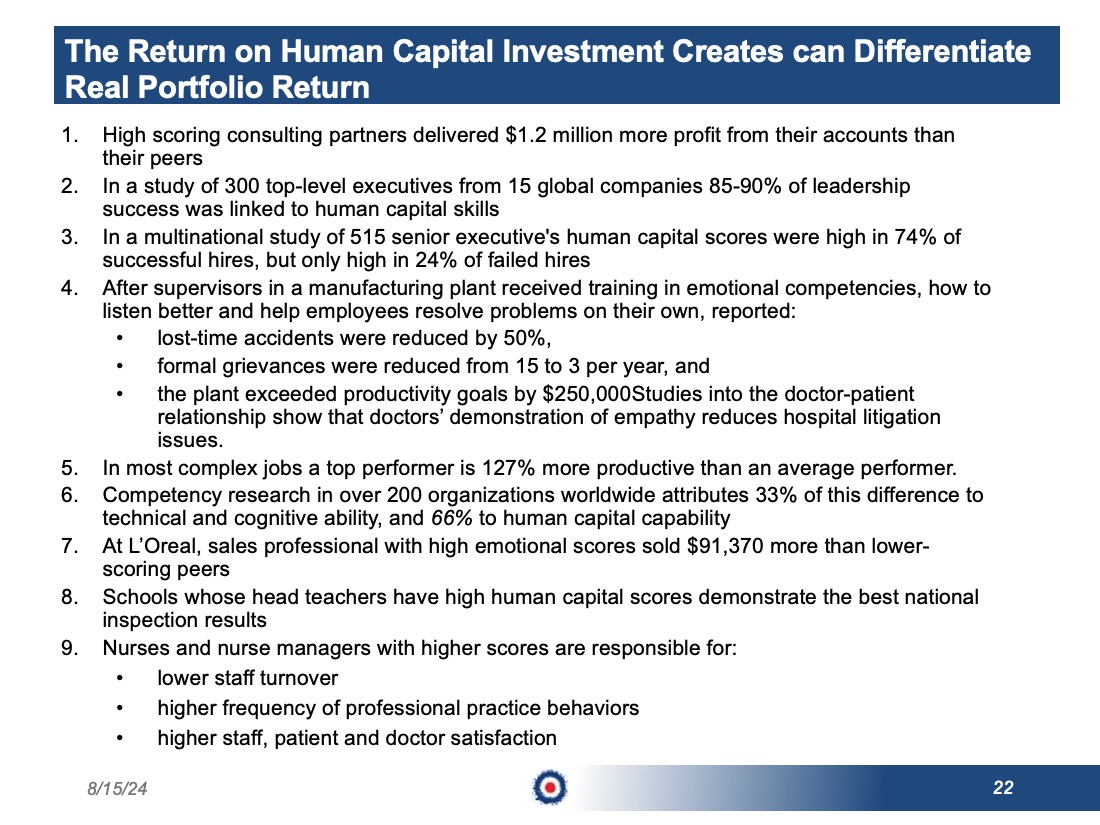
Studies on complex jobs reveal that top performers, those rating highly in emotional and social competency, are significantly more productive than average performers. For example, in jobs of medium complexity, top performers can be up to 85% more productive than average performers. This level of productivity can be the difference between a successful product launch and a failure.
Though human capital is rarely part of a balance sheet, data can correlate better than gut instinct. Better predictive models and big-data analysis sets the stage to improve return on investment.
With good human capital data you correlate what a winning team looks like. Combine your human capital metrics with other due diligence and you get better, a quantifiable reason why.
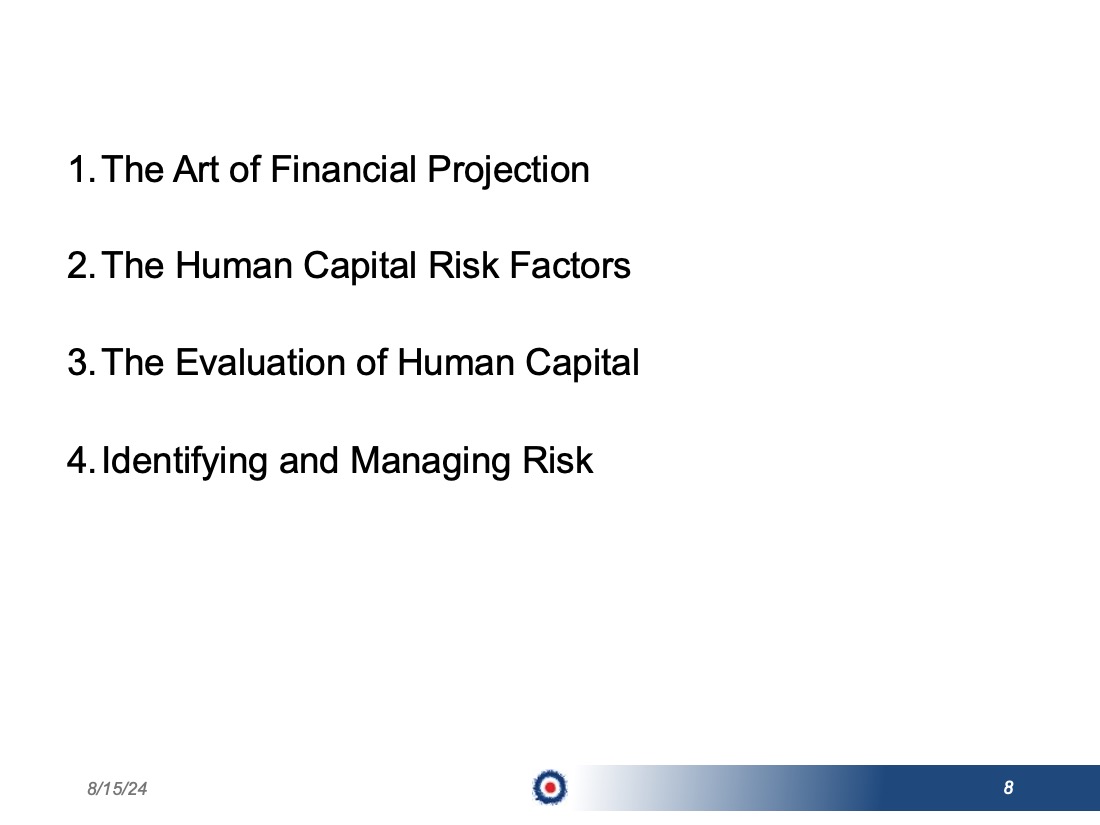
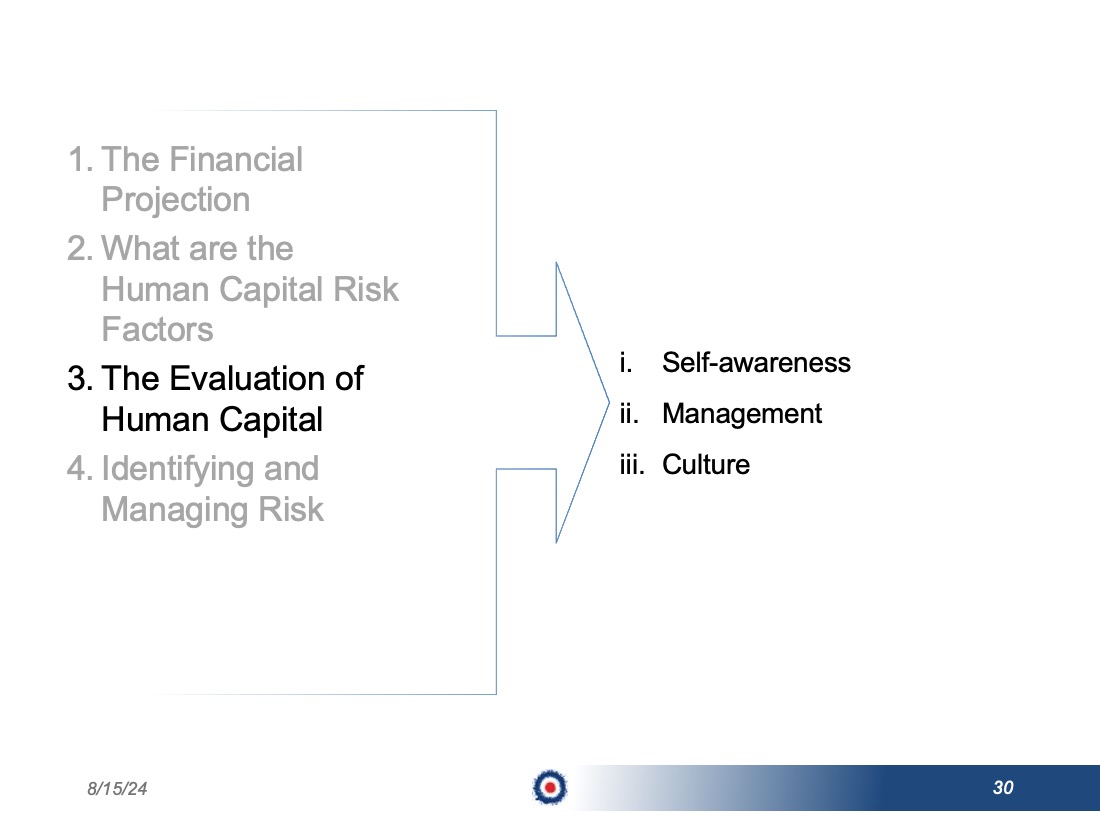
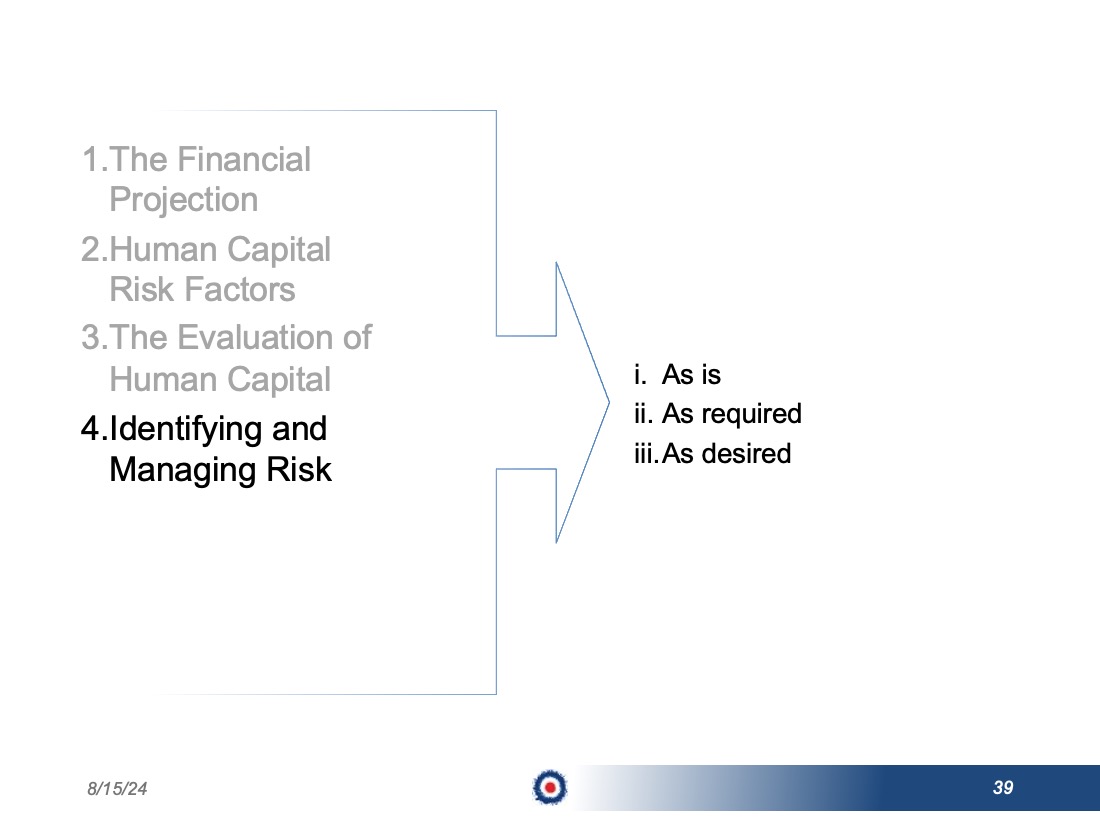
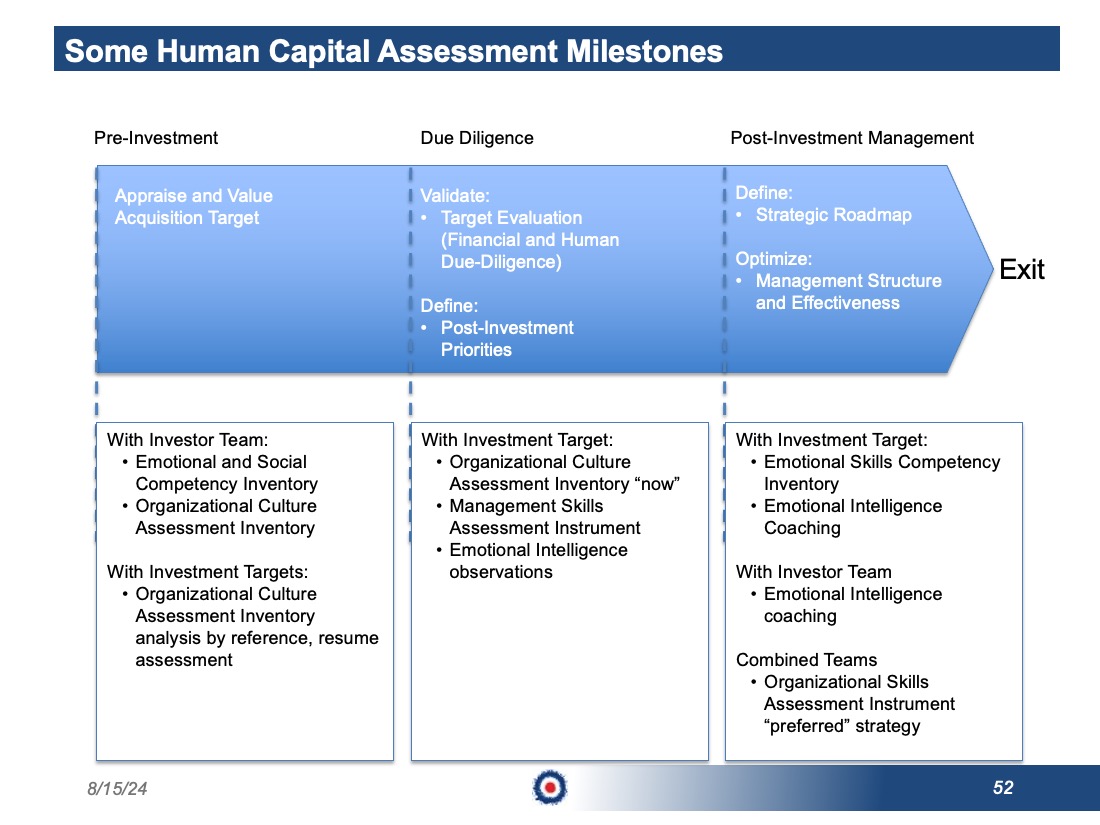
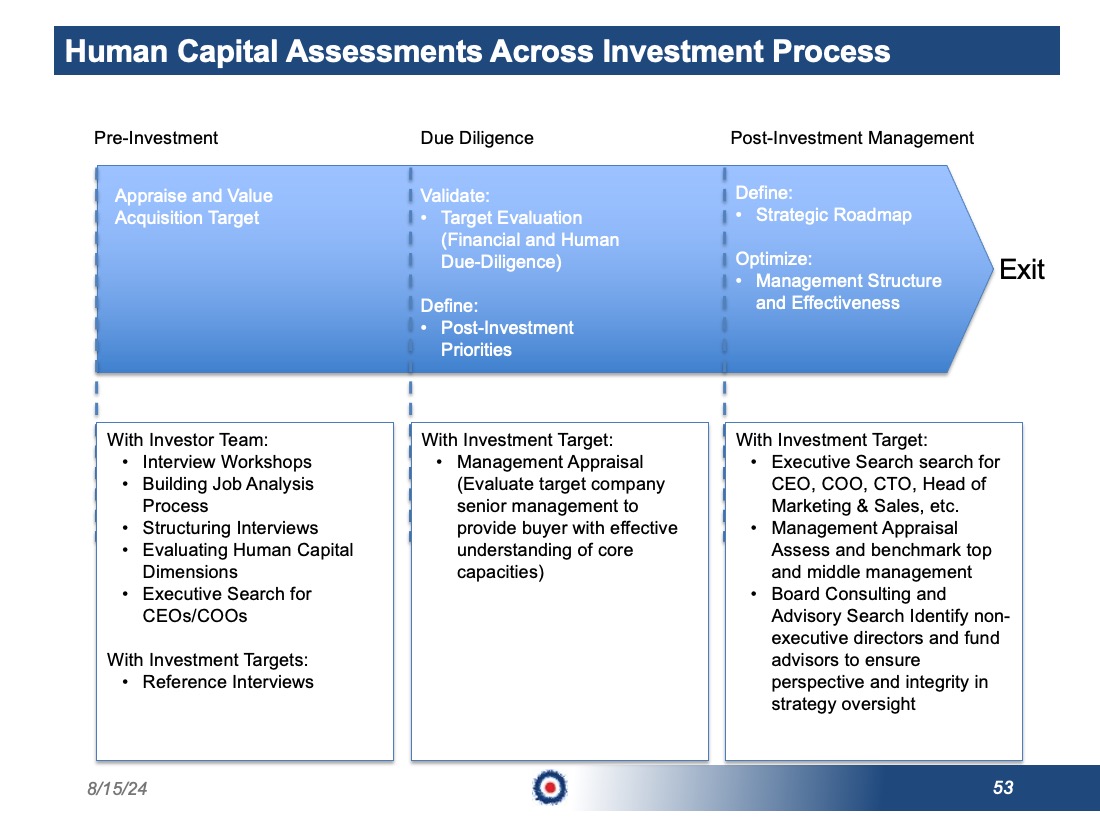
This deck guides Human Capital Risk through a data compliment: