Thoughts across this site draw from a diverse set of management, leadership, Lean principles, Agile methodologies, emotional intelligence, marketing, and customer value thought leaders as some of my influences.
Any faint allusion is purely my attempt to convey what I recall of their brilliance while I also try to figure out how to avoid the word “which” or any words ending in “-ing“. Their genius is intentional to help me seem smart without using the word “be” or accidentally writing in “passive voice“.
Frank Barrett
Improvisation and Leadership: Barrett’s exploration of leadership through the lens of jazz improvisation inspires the themes of flexibility, creativity, and adaptability and reminds us embracing uncertainty, experimenting boldly, and learning from the unexpected are essential for growth in complex systems and organizations.
Richard Boyatzis
Emotional Intelligence and Leadership: Boyatzis’ work on emotional intelligence and leadership through relationship-building influences my approach to human-centric, empathetic leadership and organizational culture.
Kim Cameron
Positive Leadership and Organizational Development: His work on positive leadership and organizational virtuousness inspires this blog’s focus on team motivation, high-performance environments, and positive culture creation.
Alan Cooper
User Experience Design: Cooper’s influence on product and user experience design is reflected in the emphasis on customer-centricity, user-friendly design, and value delivery that resonates with clients.
David Cooperrider
Appreciative Inquiry: Cooperrider’s focus seeks to build on strengths rather than fix weaknesses influences the positive, forward-looking tone. My personal and professional style encourages a mindset of continuous improvement and to leverage current capabilities to shape what “could be”.
Esther Derby
Organizational Change and Agile Transformation: Derby’s insights into team dynamics, effective change management, and Agile transformations shape emphasis on sustainable change, collaboration, and incremental improvements.
W. Edwards Deming
Total Quality Management: Deming’s ideas on quality control, process improvement, and waste reduction influence this blog’s focus on operational excellence, continuous improvement, and client value.
Peter Drucker
Management by Objectives (MBO) and Knowledge Work: Drucker’s pioneering insights into MBO and the importance of knowledge workers aligning individual performance with organizational goals. Emphasis on responsibility, continual learning, and adaptability echoes operational effectiveness, team engagement, and strategic clarity as keys to driving sustainable success.
Seth Godin
Marketing and Tribes: Godin’s focus to build meaningful connections with audiences through storytelling, permission marketing, and tribes influences my approach to customer engagement, authenticity, and that foster loyal communities around ideas and values.
Daniel Goleman
Emotional Intelligence: Goleman’s work on emotional intelligence with focus on empathy, self-awareness, and emotional management, informs an emphasis on responsible, human-centric leadership.
Frederick Herzberg
Motivation-Hygiene Theory: Herzberg’s work on employee motivation contributes to exploration of what truly drives performance and engagement within teams, intrinsic motivation and job satisfaction.
Jez Humble
Continuous Delivery and Lean-Agile Practices: Humble’s work on Continuous Delivery and his commitment to building systems that thrive on collaboration and iterative improvement. His insights drive the focus on reducing friction in workflows and delivering value to customers rapidly and consistently.
David Meerman Scott
Real-Time Marketing and PR: Scott’s emphasis on the power of real-time communication to engage direct with customers in a dynamic, fast-paced world informs this site’s focus on immediacy, relevance, and direct connection with client needs to create timely value.
Henry Mintzberg
Management Practices: Mintzberg’s critique of conventional management approaches and his insights into managerial roles influence the reflective and often critical nature of my site, that challenge traditional paradigms. Some might find the kernel of ‘sacred cow tipping’ here.
Taichi Ohno
Lean Management: Ohno’s principles of Lean management, particularly to reduce waste and improve flow, underpin much of my perspective on efficiency, value creation, and process improvement.
Tom Peters
Excellence in Management: Peters’ emphasis on operational excellence and leadership as catalysts for high performance inspires an authoritative tone that aims to drive action and motivate leaders.
Mary Poppendieck
Lean Software Development: Poppendieck’s influence on application of Lean principles to software development aligns with focus on efficiency, waste reduction, and optimizing end-to-end flow in technology and operational processes.
Donald Reinertsen
Lean Product Development and Cost of Delay: Reinertsen’s principles on product development flow and the economics of delay guide my approach to prioritize work efforts and operational efficiency.
Adele Revella
Buyer Personas: Revella’s work to understand and leverage buyer personas informs a customer-centric approach, to emphasize the importance of deeply understand client needs, motivations, and behaviors to tailor business and product strategies.
Johanna Rothman
Agile and Lean Leadership: Rothman’s emphasis on practical, human-centered approaches to Agile management and leadership influences a project focus on adaptability, transparency, and continuous learning in complex environments.
Edgar Schein
Organizational Culture and Leadership: Schein’s work on understanding and transforming organizational culture resonates in this blog’s emphasis on human capital, culture, and leadership as drivers of business success.
Jeff Sutherland
Scrum and Agile: As a co-creator of Scrum, Sutherland’s focus on Agile methodologies and efficient team collaboration shapes emphasis on iterative development, adaptability, and maximize value through team empowerment.
For other influence sources please see the Books page on this website, that includes links to Amazon.
Recent posts:
- Conway’s Law can not save AI
 Conway’s Law holds systems reflect structures of the organizations that build them. AI systems simply make that reflection louder, faster, and harder to ignore.
 - Sabbatical Day 9: Signal to Noise
 Why are we hitting a peak of AI interest these past few years? One …
 - Sabbatical Day 8: Everything all at once
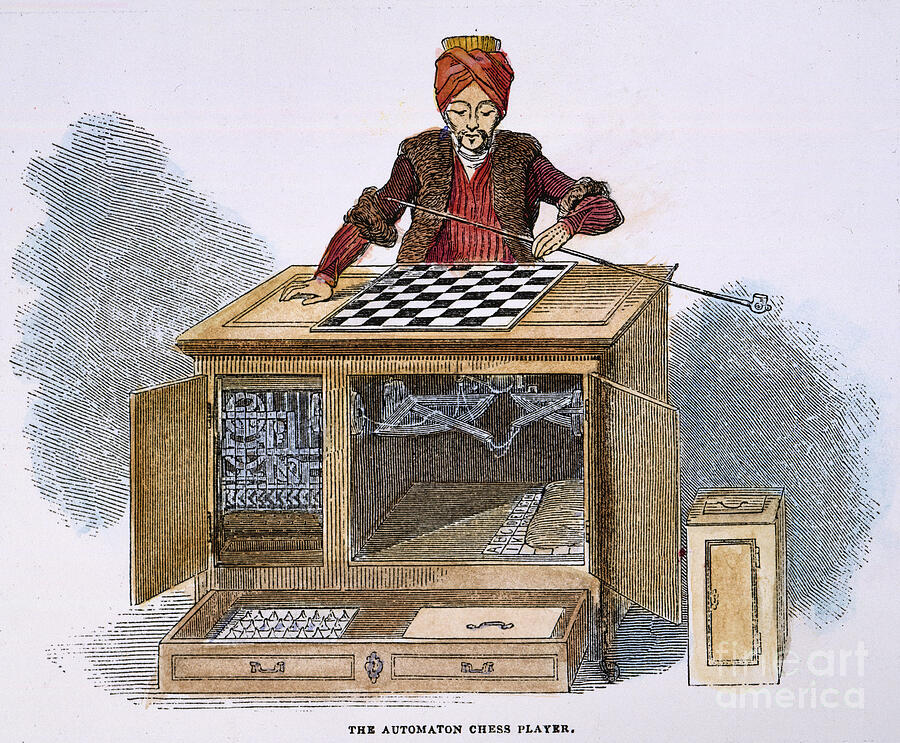 Artificial Intelligence is ~70 years old. 20 years ago The Economist wrote about AI. …
 - Sabbatical Day 7: One thing leads to another?
 Systems theory holds a simple truth: every part of a system influences the rest. …
 - Sabbatical Day 6: Predictive or generative
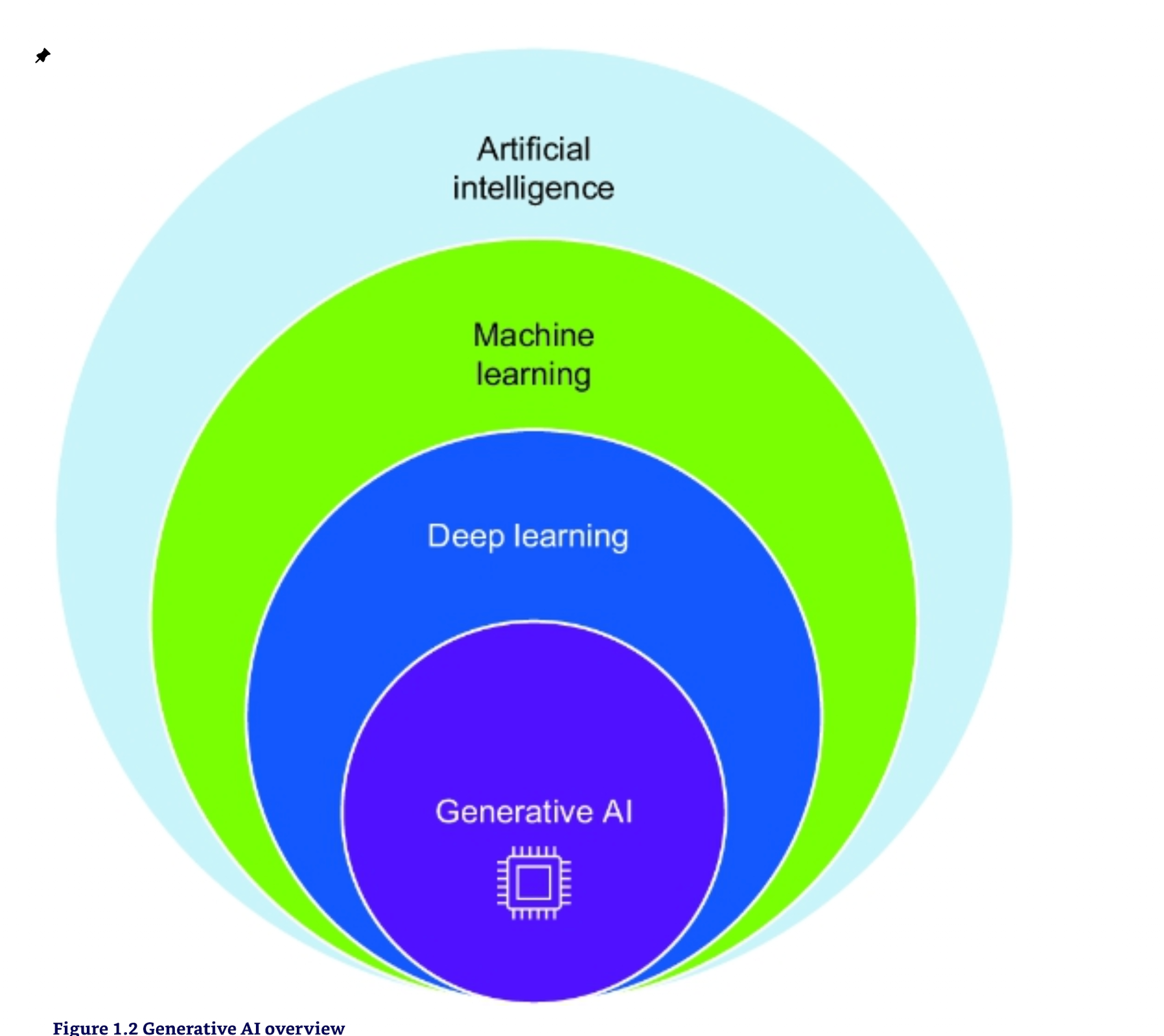 Predictive systems learn from patterns. Generative systems create new options. Generative AI expands value over reducing cost.
 - Sabbatical Day 5: Going for baroque
 Rodrigo’s Concierto Andaluz is a wonderful piece of Baroque influence and Andalusian warmth composed …