
Image created by AI
Mergers often promise synergy—streamlined operations, cost savings, and rapid growth. But once the dust settles, reality hits. Traditional post-merger integration efforts often fall apart, leading to delays, rising costs, and ultimately, broken promises. What companies overlook are the hidden costs lurking behind traditional system merger integration strategies—the financial black holes that turn mergers into expensive, drawn-out nightmares.
Let us not move past the 70-90% of mergers and acquisitions fail to achieve their expected synergies, with poor integration being a common culprit. High failure rate is often attributed to delays, rising costs, and ineffective cultural integration, as pointed out by McKinsey. This serves as a cautionary tale for businesses still following traditional approaches to platform integration and cultural alignment.
As we discussed in the first blog of this series, prior blog, the go-to merger strategy is to integrate platforms for value to materialize. In reality, platform integration and rationalization projects are rarely completed on time or on budget. That McKinsey remains a harbinger that 70% of system integration projects fail, yet companies continue to throw 10s and 100s of millions, of varying currencies, away.
Artificial Intelligence (AI), Big Data, Cloud Computing, and Internet of Things (IoT) require Agile values and principles and a data science mindset for a smarter, faster, efficient alternative to platform and technology integration.
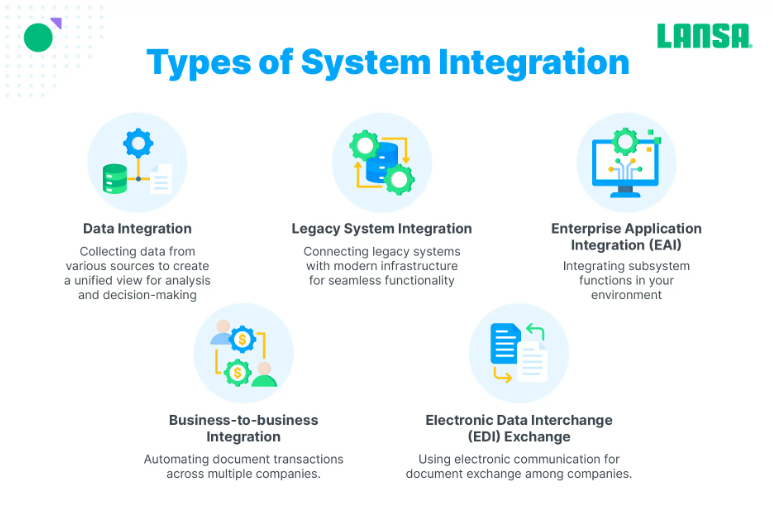
Traditional Integration: A Costly Gamble
Traditional system integration is like placing your chips on the roulette table and hoping for the best. Software and platform integration costs can range from $10 million to $100 million, depending on the size and complexity of the companies involved.
Let’s add the consulting fees—that can add another $5 million to $50 million. Layer on top of that the change management costs, which often range between $1 million and $10 million.
All told, companies can easily find themselves spending between $50 million and $150 million on integration efforts, with no guarantee of success.
Worse still, most of these projects fail to deliver on their original promises. A study by KPMG found that 83% of mergers fail to boost shareholder returns, citing integration issues as a core reason.
The Hidden Cost of Failed Integration
Behind these obvious people-related failures is a deeper hidden cost left out of initial project budgets: cultural damage and competing values.
Failed integrations destroy morale, productivity, and the company’s ability to move forward cohesively. This damage doesn’t just show up in disengaged employees—it’s also reflected in higher attrition rates, lower productivity, and loss of institutional knowledge. The cultural cost of failed integrations is rarely accounted for, but it is one of the biggest contributors to post-merger failure.
Cultural Impacts on Mergers & Acquisitions:
- A significant cause of post-merger integration failure stems from overlooking cultural differences between companies … failure to manage cultural integration has long been one of the major reasons mergers falter.
- Companies that prioritize cultural integration and employee engagement are more likely to meet or exceed synergy targets.
A report by Harvard Business Review reveals that 70 to 90 percent of mergers fail due to integration issues stemming from culture clashes. When leadership overlooks the human side of post-merger integration, the negative effects ripple across the entire organization, leaving the remaining workforce disengaged and ineffective.
And here’s the kicker: executives still receive their bonus and their payouts even as the merger collapses under the weight of their own mismanagement. Who bears the brunt? Employees, shareholders, and the company’s long-term growth prospects.
The Real Cost of Merger Integration
On paper, integration projects seem manageable. CEOs stand in front of their investors and lay out a quarter-to-quarter plan to merge systems, streamline processes, and unlock massive synergies. But once the project begins, brutal reality sets in. System configuration, mismatch, compatibility, and technology stack issues quickly stretch rationalization timelines from quarters to years. Costs balloon and synergy-driven profit fades away.
And then there’s the people factor, or actual change management, that focus on people not things. Technology change is the easy part—it’s the people and process change that cripples productivity and sinks morale.
Frustration spreads as employees disengage and productivity drops. Those newly-acquired soft assets, employees, encounter hard assets, systems, that look nothing like what they know. Processes that never existed are forced into being. Procedural oversight is extended and complexity, another word for delay, further increases.
Training is a required.
Behavior change is a necessity.
Some employees leave; others simply stop caring. Layoffs begin, exacerbating the situation. Managers, already overwhelmed by the demands of the merger, are now tasked to lead training sessions for systems they barely understand.
The result:
- Delays,
- Skyrocketing costs,
- Broken promises, and
- Cultures clash
All the intellectual property was designed by people. When morale and motivation are correlated.
A Failing Strategy To Innovate?
This is where AI, Big Data, Cloud Computing, Internet of Thing digital transformations come into play. These tools represent a new approach to post-merger integration—one that sidesteps many of the pitfalls inherent in traditional methods.
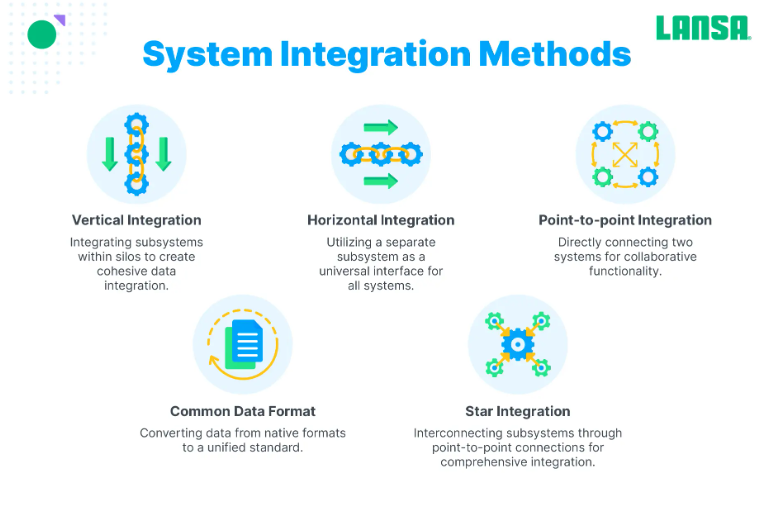
Rather than tearing down existing systems and rebuilding from scratch, AI and data science work with what you have. They optimize and harmonize existing workflows, reducing the need for costly and disruptive system overhauls.
AI-driven automation can handle repetitive tasks—like payroll processing—across systems without merging them. Data science aggregates information from various platforms to provide insight for better decision-making will in advance of technology integration. And cloud computing allows companies to host critical functions offsite, saving on IT infrastructure costs and enabling rapid scalability.
There may be no need to integrate. Ever.
The cost savings are immediate. Instead of spending $100 million on a traditional integration project that drags on for years, companies can invest in AI platforms that cost a fraction of that—typically between $500,000 and $5 million, depending on the scale. The return on investment is clear, and more importantly, it’s fast.
AI and Change Management Evolution
Traditional system integration creates huge change management challenges. Entire workflows are redesigned, employees have to learn new systems, and teams experience adoption fatigue. In the meantime, productivity grinds to a halt.
AI and Cloud solutions shrink the timeline, budget, and integration costs dramatically. AI tools adapt to existing workflows rather than force employees to adjust to an entirely new system. These solutions work in the background, analyzing data and offering insights without disrupting day-to-day operations. Your workforce isn’t overwhelmed with complicated new tools—they’re empowered by technology that enhances what they’re already doing.
The fabric of integration is about data correlation, over platform integration.
This is not just another technology shift—it’s a cultural shift. AI does more than integrate systems; it integrates people into the transformation process.
The hidden opportunity here isn’t just about avoiding the cost of failed integrations—it’s about realizing gains from faster, more agile, and more intelligent systems that seamlessly support your workforce.
The Financial Impact of Failed Integrations: The costs of failed mergers extend far beyond the initial investment. There is a cultural and financial toll of misaligned integrations can result in substantial losses for shareholders and diminished organizational performance. Sources: HBS Working Knowledge and McKinsey & Company
The shift toward AI, cloud computing, and data science as more efficient alternatives to traditional integration strategies.
Teaser for Blog 3: The Hidden Investment Smart Companies Are Making
Here’s where it gets interesting. In Blog 3, we will reveal how companies are making hidden investments that accelerate growth by focusing on people, processes, and AI-driven platforms. This is where the real cost savings come in—by reallocating resources away from traditional integration efforts and toward talent and technology that drive long-term value.
AI and data science are not just about transforming how your systems work—they’re about transforming how your business works. In Part 3, we’ll provide a full breakdown of how AI investment compares to traditional integration costs and why smart companies are seeing immediate returns without the headaches.
How fabric gets stitched together needs requires creativity.