Project Management turns ideas into realizations. A project succeeds when goals are clear, progress is visible, and communication is constant. Teams move with ability to rapidly design and learn gain confidence in value to deliver.
A simple plan with clear steps creates more progress than a complex plan that few understand. The remaining advantage is how quickly a projects creates learning.
Scrum Master as Scrum Maester, a game of thrones

Projects, Personas, and Stakeholders – the slides

Stand up to daily scrum

3 reasons for project failure: change, participation, and risk

Agile without value

SAFe journey, a vision of new hope

Impact assessment, analysis template revised

Portfolio project management — seeing not perceiving

9 views into your organization with a project management lens

What does project management mean to me — a project manager’s sermon

User Story Mapping by the book
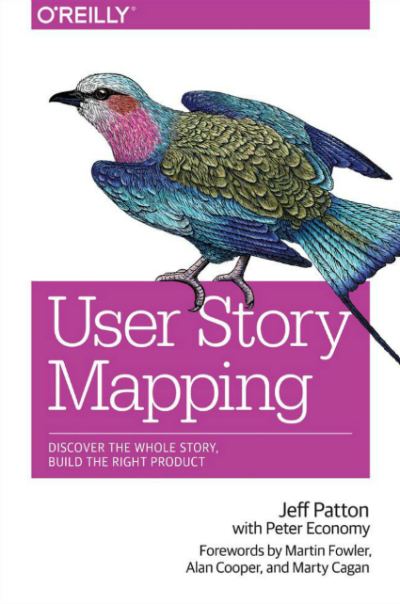
Why your business strategy is a project portfolio

Scope or: how to manage projects for organization success, part 1

All projects are human capital projects

An Agile example of Scrum by design

Planning the art of possibility

Project Management Around the World — The Hub of the Universe

User story, no requirement needed

Business strategy failures are project management failures

Fast Start — Is your project doomed?

Scrum and portfolio strategy as 2 current challenges

In a flash — the project management #pmFlashBlog

Project management is useless without scale

A Led Zeppelin page of project management

Scope or: how to manage projects for organization success; stakeholder analysis template

Lean into social media

5 tips to manage better meetings

Getting it done versus getting it accomplished

Project management is not a process, but a promise

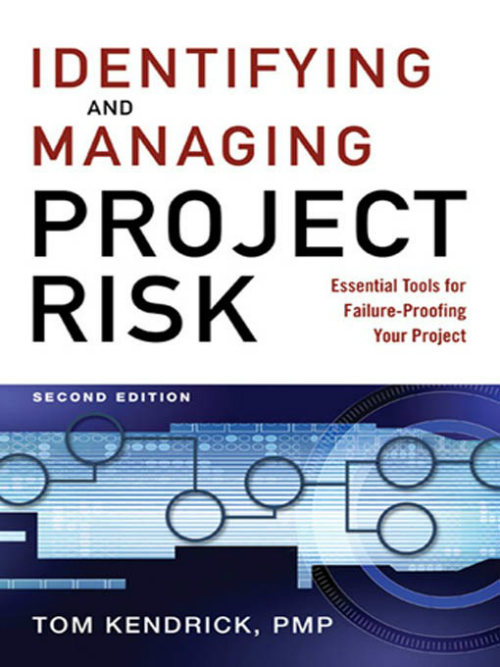
Identifying and Managing Project Risk by the book
Impact Analysis — project management SharePoint template

Being Agile by the book

2 priorities for competitive advantage

Scope or: how to manage projects for organization success, part 2

The failure of Murphy’s Law

Scope or: how to manage projects for organization success; communication template

Scope or: how to manage projects for organization success; impact analysis template

Agile icebreaker
