Organization change is the key to innovation. So, no change, no innovation. Or is it no innovation, no change? Well, change …

Below you'll find a list of all posts that have been categorized as “Change Management”
Organization change is the key to innovation. So, no change, no innovation. Or is it no innovation, no change? Well, change …

Your small business does not have the culture to succeed as a big business.
Initial ad hoc procedures may prove to drive those early revenues and perhaps the same procedures can manage a firm’s expansion to 30 employees, 75 employees, or 100 employees.
As the growth of a firm increases the amount of interactions and the dynamics of each interaction become more important. Repeatability, scalability, and human capital strategies are vital to have in place before growth.
With a Competing Values Framework your current culture and future culture present present your roadmap for intentional growth.

Until knowledge, skills, and abilities are both individual and team success, the organization intervention seems less an option than a core competence.
We need to intervene before we lose even more of your organization’s ability and desire to achieve both individual, team, and organization goals.
We should revisit what has become the noise surrounding essential knowledge, ability, skills, and competencies organizations need from people ready to lead.
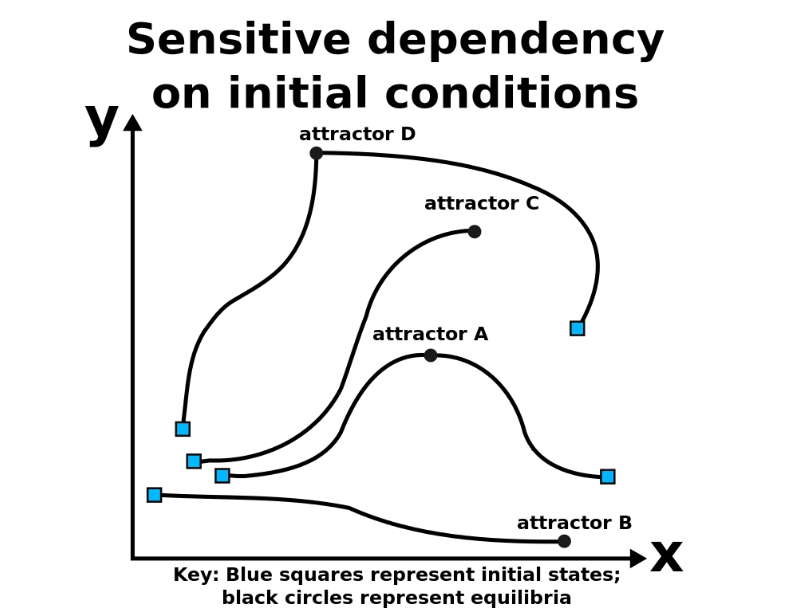
To run a team, manage a group, or lead an organization means you line people up yell, “ready, steady, go” and we folk hum along without need, guidance, motivation, communication, or care for anyone but the organization.
The reason a professional might call for an organization intervention comes from the feeling of organization sabotage.
Something is wrong.
Someones needs help.
We need to intervene.

Classic change theory: leadership drives change and leadership needs to commit for change to work. Change management only happens from the …

If companies were built to last, than 4 of 10, almost 50%, would still remain on the the Fortune 500 a mere 10 years later.
Sustained success has less to do with market forces than company values; less to do with competitive position than personal beliefs; less to do with resource advantages than vision. Sustained success has to do with managing culture.
Organization change without an awareness of what drives the organization’s culture may be the reason close to 90% of all projects fail. Culture is key to remain great.

Frameworks and theories that rely on past events ignore all opportunity for organizations to interact in an interdependent co-generative way: systems theory.
Systems theory and systems thinking relies on interface, feedback, organizational goals, input, throughput, output, differentiation, and integration.

Overwhelmingly, organizations rely on process analysis to identify opportunity for savings. Process analysis is most commonly identified as change management. Change …

In organization change I always avoid any effort that includes the term: buy-in. You may hear the term in some variation …