Bureaucracy is important to manage risk. Max Weber (1864 – 1920) German sociologist, political scientist, and economist was an admirer of …

Below you'll find a list of all posts that have been tagged as “organization behavior”
Bureaucracy is important to manage risk. Max Weber (1864 – 1920) German sociologist, political scientist, and economist was an admirer of …

In addition to sales and finance, there are two complimentary organization priorities that leaders should focus on to achieve and sustain …

Until knowledge, skills, and abilities are both individual and team success, the organization intervention seems less an option than a core competence.
We need to intervene before we lose even more of your organization’s ability and desire to achieve both individual, team, and organization goals.
We should revisit what has become the noise surrounding essential knowledge, ability, skills, and competencies organizations need from people ready to lead.

Today in Human Resource Executive Online I eagerly read a post titled Is Business a Foreign Language for HR? (sadly, no …

Organization development has yet to earn a role in all organizations. Only the most progressive companies have organization development roles, staffs, departments, …
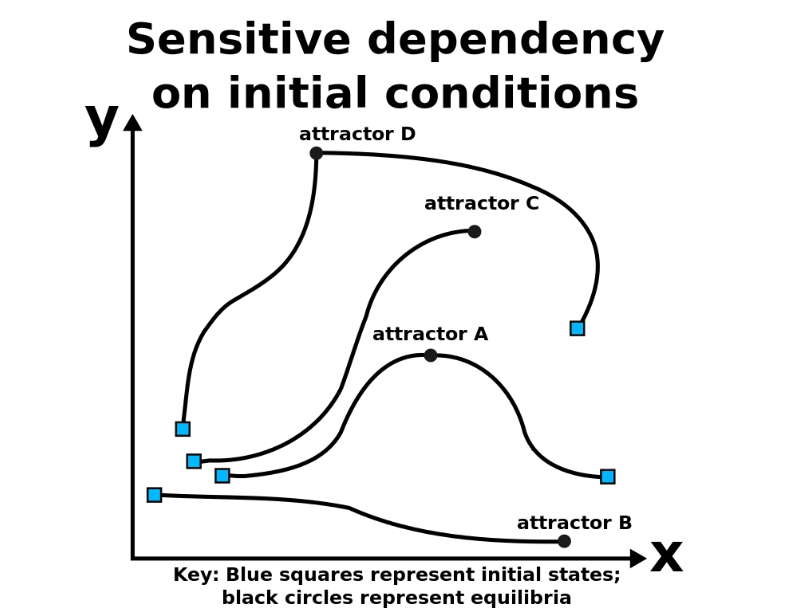
To run a team, manage a group, or lead an organization means you line people up yell, “ready, steady, go” and we folk hum along without need, guidance, motivation, communication, or care for anyone but the organization.
The reason a professional might call for an organization intervention comes from the feeling of organization sabotage.
Something is wrong.
Someones needs help.
We need to intervene.

Micromanagers grind work to halt and wastes resources, requisite organization is framework that looks at strategy with time as a critical element for how work is assigned, done, and managed. Requisite organization, or requisite uncertainty, is a great way to empower employees, maximize resources, and modify micromanagers.

Every business function is subordinated to either: sales, finance, or human resources. How can HR possibly have any impact when business is all about sales, brining in the money and finance making the best use of the money?

Classic change theory: leadership drives change and leadership needs to commit for change to work. Change management only happens from the …

Meetings, meetings, and more meetings. We have meetings to clear up confusion, to communicate, to interact, to make decisions, to listen, …

Technology enables information access and facilitates information sharing. But why do so many information technology projects fail? The information part of Information Technology …

I see and read so much about offers to teach or facilitate innovation, but what is innovation? Innovation has less to …

Overwhelmingly, organizations rely on process analysis to identify opportunity for savings. Process analysis is most commonly identified as change management. Change …

Organizations are made up of people, more specifically teams of people who interact through multiple relationships and networks.
Just as people learn and change, organizations can cultivate people and team development to align and support an organization’s growth.

Reading a blog on the venture capital website Start Up Hire called: Should Startups Compromise When Hiring? I found a reference …

I challenge myself to write blogs that might start a conversation either leading to change or to sustain what is working. …

On earlier posts I wrote: 1) diversity is about opportunity and 2) that motivation is the bottom-line success. In this blog I …

One industry is not more complex than another. It is not the industry that demands an organization norm. Organizations are made and conceived as products of human interaction and social construction rather than an expression of an underlying industry, natural order.
People form the organization, the accumulation of organizations make up an industry segment.
People drive an organization’s effectiveness, mood, and culture. Not process, not technology, but people.